
-
Phone Orders
01 – 9010395

- Physio Supplies
- Mobility Aids
- Wheelchairs
- Incontinence Aids
- Exercise & Rehab
- Injury Treatment
- Contact Us
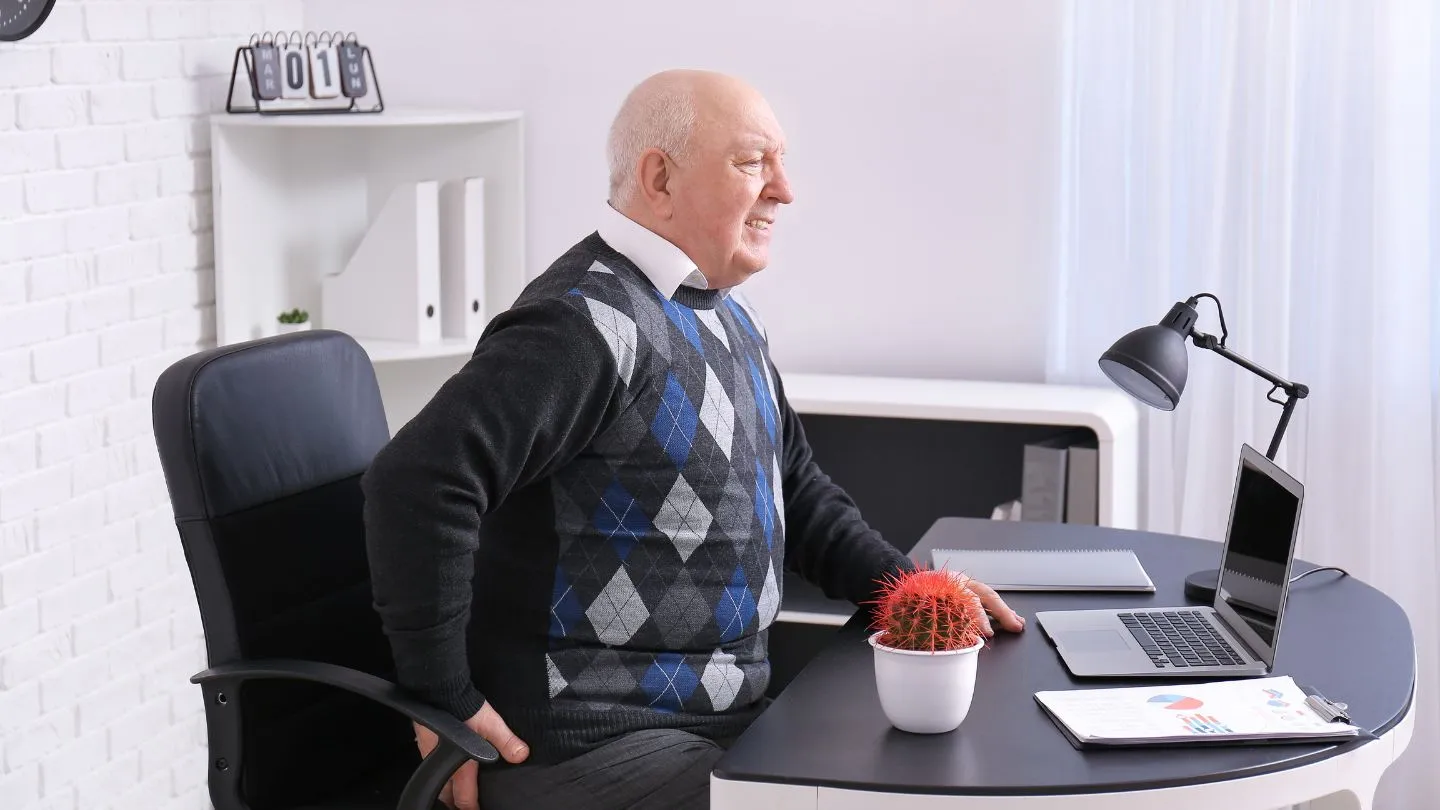
When it comes to relieving pressure while sitting, particularly for those dealing with discomfort around the tailbone, buttocks or lower back, the humble donut cushion can be a life-changer. These cushions might not look like much (typically round with a hole in the centre) but their impact on everyday comfort, mobility, and recovery is often underestimated.
At Medpoint, we’ve helped countless customers across Ireland find long-term solutions to seating-related discomfort, and the donut cushion continues to be one of the most requested items in our range.
A donut cushion (or sitting ring) is a specially designed seat cushion shaped like a doughnut, with a hole in the middle. This design reduces direct pressure on the coccyx (tailbone), perineum, and the surrounding areas while sitting.
The purpose of the hole isn’t just aesthetic — it’s functional. It allows your weight to distribute more evenly around the buttocks and thighs, instead of concentrating it on sore or vulnerable areas. This can be especially helpful for those recovering from surgery, childbirth, or dealing with chronic pain conditions like haemorrhoids or pressure ulcers.
There are many variations of the classic donut cushion. Some come in foam, others in inflatable versions, and some offer memory foam or gel layers for added comfort. For instance, the Orthopedic Donut Cushion (Sitting Ring) is a firm favourite for customers who want a balance of support and softness.
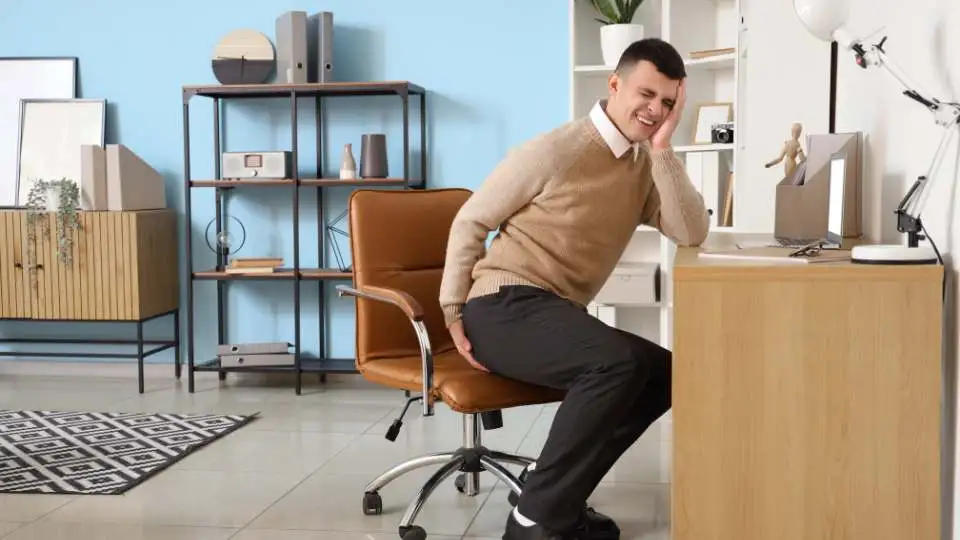
A donut cushion isn’t just for one specific group of people. In fact, we often see a wide range of customers — from young adults working long hours at desks, to elderly individuals with reduced mobility — who benefit from using one.
Here’s a breakdown of some common scenarios where a donut cushion can make a real difference:
Haemorrhoids can make sitting feel nearly impossible. The pain, itching, and swelling are all aggravated by pressure, especially when seated for long periods. A donut cushion allows you to sit without putting weight on the inflamed area, giving you a chance to heal without constant irritation.
After childbirth, especially after a difficult delivery or perineal tearing, sitting can be a dreaded activity. A soft but supportive ring cushion can offer much-needed relief for new mothers trying to recover while still nursing or minding a newborn. A pregnancy pillow can also be supportive during postpartum recovery.
The Sissel Sit Ring (Doughnut Cushion) is particularly useful here — it’s easy to carry from room to room and doesn’t lose its shape, even with frequent use.
If you’ve had surgery on your lower spine, rectum, or pelvic area, or sustained an injury that makes sitting painful, using a donut cushion can aid recovery by reducing pressure and encouraging circulation in healing tissues. Here orthopedic pillows can also assist especially with back and neck pain.
You don’t need to be recovering from surgery to suffer from sitting-related pain. If you’re seated for more than 6 hours a day, poor posture and lack of movement can lead to back pain, pressure sores, and tailbone tenderness. Using a Sissel Sitfit Balance Seat Cushion or donut cushion can encourage better posture and reduce discomfort.
Pressure ulcers (or bedsores) often develop from prolonged sitting or lying down, especially in individuals with reduced mobility. A Pressure Relief Donut Cushion is designed with materials that not only redistribute pressure but also help prevent skin breakdown, offering both comfort and clinical support.
To understand the effectiveness of a donut cushion, imagine sitting on a hard wooden chair with a bruise or wound on your tailbone. Each time you sit, all your upper body weight compresses that one area, worsening the pain.
Now picture a soft cushion with a cut-out centre. As you sit, the weight shifts to your thighs and hips, leaving the sensitive centre untouched. This simple design change helps reduce inflammation, protect healing skin, and ease overall pain.
Some donut cushions, like the Padded Swivel Cushion, combine a pressure-relieving design with the added benefit of mobility. These are excellent for individuals who need to turn or reposition themselves regularly without straining.

One thing we often share with customers at our mobility shop in Dublin, Ireland, is that donut cushions aren’t just reactive — they’re proactive.
Using a donut cushion can help prevent long-term problems like poor circulation, nerve compression, or posture-related injuries. For example, regular use in the car or at your desk can improve how your spine aligns while seated, reducing strain on your lower back and hips.
In combination with lumbar support, many customers find their entire sitting posture transforms — not only relieving current pain but preventing it in future.
Not all donut cushions are created equal. Some are better suited for short-term use, while others are built for daily wear and tear. Here are a few things to think about:
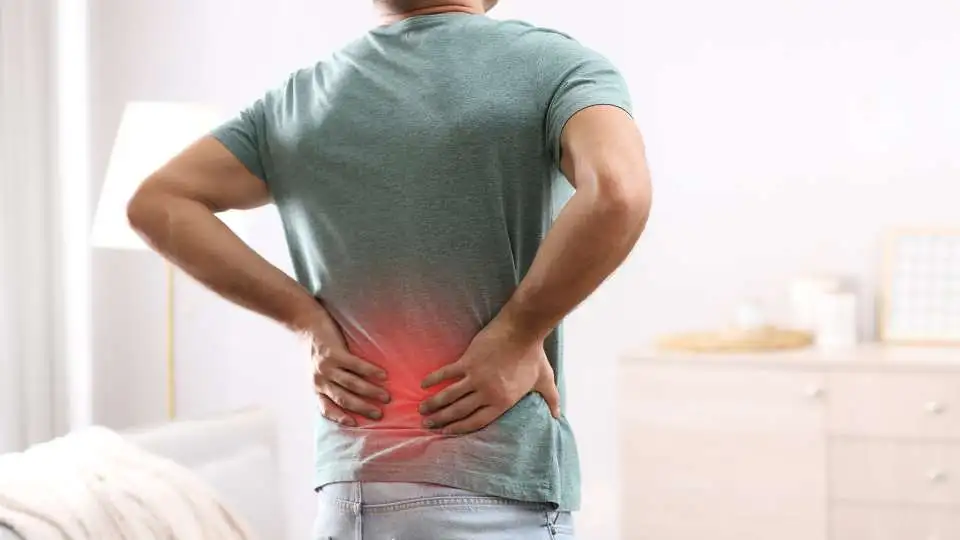
Sometimes a donut cushion alone won’t fully solve your seating issues. That’s where combining it with other solutions — like ergonomic chairs, back support belts, or adjusting your sitting habits — can help.
If you find your pain persists even with a cushion, it’s worth exploring complementary solutions. A properly positioned lumbar support cushion, for example, can address spinal alignment while the donut cushion manages lower body pressure.
A donut cushion might look simple, but its ability to ease discomfort and improve sitting posture makes it one of the most valuable aids we offer at Medpoint. From easing the pain of haemorrhoids to helping you sit comfortably after surgery, this cushion can change how you go about your day.
Whether you’re sitting at a desk, recovering from an operation, or just trying to make car journeys more bearable, the right cushion makes all the difference. And if you’re not sure which one is best for you, feel free to reach out to us — we’re always happy to help you choose the right support.
At Medpoint, we combine physiotherapy knowledge with practical mobility experience to help our customers live more comfortably, and we’re proud to serve communities across Ireland and beyond.
Yes, many people use them daily, especially if they sit for long periods. Just make sure it’s the right type of cushion for your needs.
Absolutely. They reduce pressure on the coccyx and can provide immediate relief for tailbone injuries or inflammation.
Yes, just ensure it doesn’t affect your seating position or access to pedals. Many drivers find a cushion makes long trips more bearable.
They can — especially when paired with proper lumbar support. They promote better spine alignment and reduce the urge to slouch.
Yes. Depending on your condition, you might prefer a wedge cushion, coccyx cushion, or memory foam seat pad. For those who need help with movement, a Padded Swivel Cushion can also assist with getting in and out of a seated position.

Neil is the owner of Medpoint, a trusted supplier of physiotherapy and mobility products in Dublin, Ireland. With many years of hands-on experience in the healthcare and mobility sector, he has helped countless customers find the right solutions for comfort, fitness, recovery, and independence. Passionate about quality and care, he is dedicated to offering expert advice and reliable products that make everyday life easier.

Neck pillows are often recommended for neck pain, poor sleep posture, and morning stiffness - but do they actually work, or are...

Getting the right support can make all the difference to how you sleep or sit. That’s what orthopedic pillows and cushions...

If you’ve been advised to wear an orthopedic brace or support, you may be wondering whether the Health Service Executive (HSE) in...