
-
Phone Orders
01 – 9010395

- Physio Supplies
- Mobility Aids
- Wheelchairs
- Incontinence Aids
- Exercise & Rehab
- Injury Treatment
- Contact Us

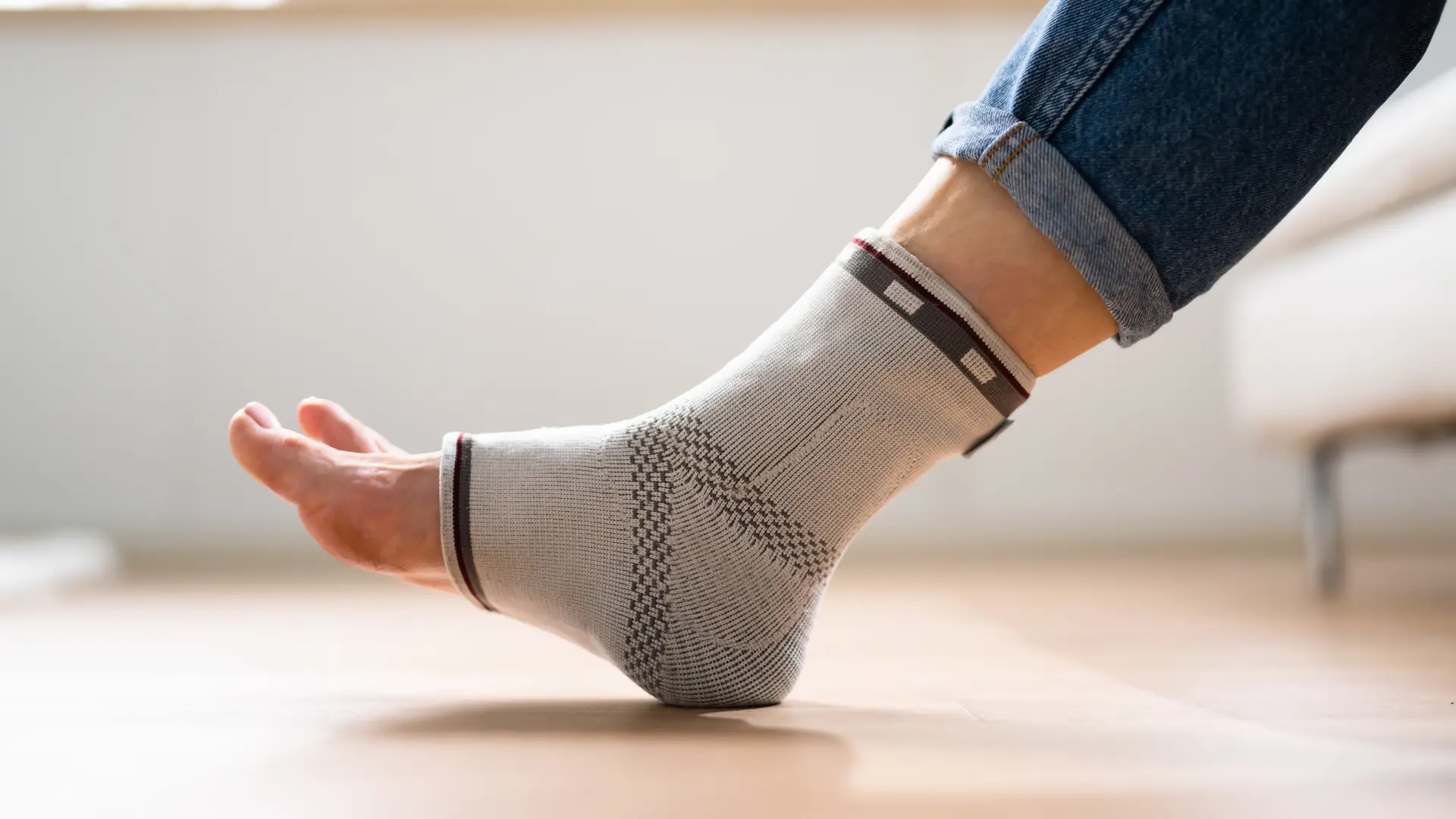
If you’ve ever twisted your ankle running for the bus or felt a wobble during a long walk on uneven ground, you’ll know how fragile the ankle joint can be. It’s one of the most commonly injured parts of the body, yet one we rely on every single day for balance, movement and mobility.
Ankle supports and braces are essential tools for managing pain, speeding up recovery, and preventing injuries—whether you’re an active athlete, someone on your feet all day, or dealing with a long-term issue. But like any tool, they need to be used the right way to get real results.
In this guide, we’ll walk you through when to use an ankle support, how to wear one properly, the different types available, and common mistakes to avoid.
You should wear an ankle support if you’re recovering from a sprain, managing chronic ankle instability, dealing with swelling or inflammation, or trying to prevent injury during physical activity.
Ankle supports work by stabilising the joint, supporting weak or damaged ligaments, reducing swelling, and helping you stay mobile while your body heals. They can be worn during sports, at work, or even at home—depending on the type and level of support you need.
Example:
Say you’ve recently sprained your ankle while hill walking. In the early days, compression and support from something like an Elastic Ankle Support with Gel Pads can help control swelling and pain. Later on, as you return to walking or light activity, a Crossover Elastic Ankle Support gives you confidence and stability to move safely.

Choosing the right ankle support depends on what your body needs—support, compression, stability, or a mix of all three.
Lightweight, flexible, and ideal for mild swelling or general support during daily activity.
Great option: Elastic Ankle Support
These allow for a custom fit and can be tightened or loosened depending on swelling throughout the day.
Try: Adjustable Ankle Support
Hard-shell supports that restrict ankle movement. These are usually recommended post-surgery or after serious injuries.
Designed to be worn during sleep to gently stretch the Achilles tendon or plantar fascia.
Use: Pro-Tec Night Splint if you’re waking up with heel pain or stiffness.
Specialist supports that help people with neurological conditions maintain natural foot position while walking.
Explore: Drop Foot Ankle Brace
Learn how ankle support can helps Achilles tendonitis.

Wearing an ankle support sounds simple—but there are a few tricks to make sure it’s actually helping, not hindering.
Tip:
If you’re unsure which support is right for your needs, ask your physiotherapist—or talk to a specialist like us at Medpoint. As a physio supplies store in Ireland, we’ve helped thousands of customers find the right fit for their lifestyle and injury.
There’s a balance to strike between using support and allowing rest. For example, right after an injury, rest and elevation might be better than wearing a brace straight away. Once the acute phase passes (usually 48–72 hours), support can help you ease back into movement safely.
If you’re wearing an ankle brace for prevention during activity like running or playing GAA, it’s perfectly fine, even advisable, to use something like a crossover elastic ankle support for peace of mind. But wearing a brace 24/7 long-term without addressing the root cause (like weakness or instability) might slow your recovery.
You don’t need to be injured to benefit from wearing an ankle support. Prevention is one of the smartest ways to use them.
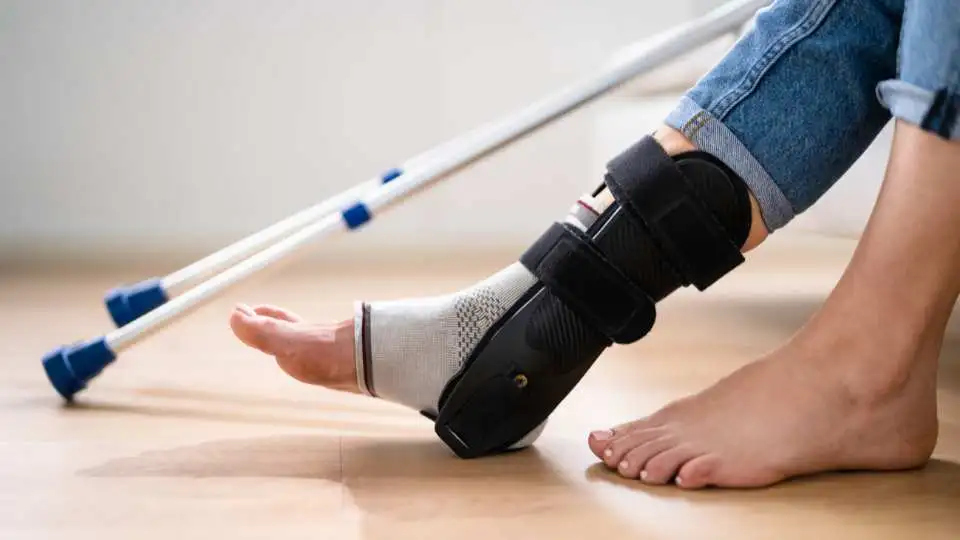
Ankle support alone isn’t a complete solution. For best results, combine it with other physio-informed treatments:
Here are some simple questions to help you pick the right ankle brace or support:
You might use a light foot support at work, a rigid brace during sports, and a splint at bedtime. There’s no one-size-fits-all, which is why we stock a range of trusted products suitable for different needs. Find out more about Ankle pain symptoms and effective treatment options.
Taking care of your ankle support means it’ll last longer and stay effective:
Have a backup if you wear your support every day. That way, you can rotate and wash them without compromising support.
Ankle supports and braces can make a massive difference if used the right way. Whether you’re recovering from injury, managing a chronic issue, or just staying proactive about your joint health, there’s a support out there for you.
The key is to understand when and how to use them, pair them with other treatments, and keep your body moving the smart way. If you need help choosing, Medpoint is always here to support you with expert advice and a carefully selected range of physio-approved products.
Supporting Information: HSE Ireland
Yes, but only if it’s designed for daytime use. Avoid wearing braces overnight unless it’s night splint.
Only if it’s a night splint. Regular supports can affect circulation and comfort during sleep.
Supports are flexible and good for light compression. Braces are more rigid and offer strong stabilisation during recovery or intense activity.
Absolutely. They reduce strain, improve stability, and promote faster healing when used correctly.
Yes. Ankle supports provide warmth, compression, and joint stability that can ease pain and reduce inflammation linked to arthritis or tendonitis.

Neil is the owner of Medpoint, a trusted supplier of physiotherapy and mobility products in Dublin, Ireland. With many years of hands-on experience in the healthcare and mobility sector, he has helped countless customers find the right solutions for comfort, fitness, recovery, and independence. Passionate about quality and care, he is dedicated to offering expert advice and reliable products that make everyday life easier.

Arm injuries can quickly disrupt your daily routine, from getting dressed in the morning to completing a day’s work. Even a small...

Running a successful physiotherapy clinic isn’t just about skilled therapists and evidence-based techniques. The environment, equipment, and even the smallest physio...
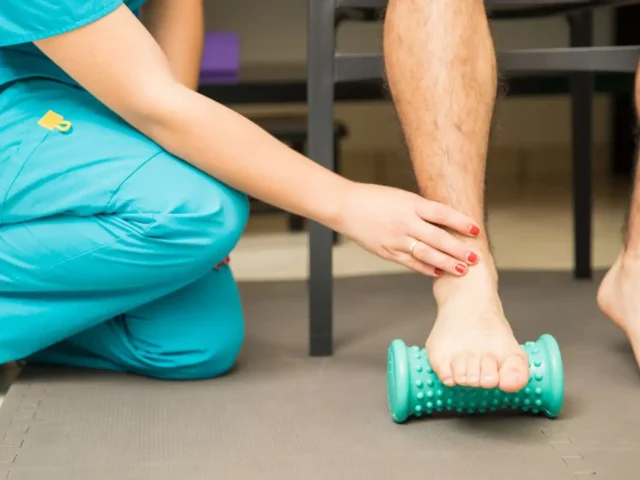
Plantar fasciitis is a common source of foot pain, affecting people from all walks of life. It is often described as a...