
-
Phone Orders
01 – 9010395

- Physio Supplies
- Mobility Aids
- Wheelchairs
- Incontinence Aids
- Exercise & Rehab
- Injury Treatment
- Contact Us

Nutrition and hydration play a vital role in how GAA players train, perform, recover and stay injury-free throughout the season. In a sport as demanding as Gaelic football, what you eat and drink directly affects energy levels, muscle function, joint health and recovery.
At Medpoint, a Dublin-based physio and mobility aids provider, we regularly work with GAA players managing muscle strains, joint pain and overuse injuries. This guide explains why GAA nutrition and hydration are essential for performance, injury prevention and recovery throughout the season.
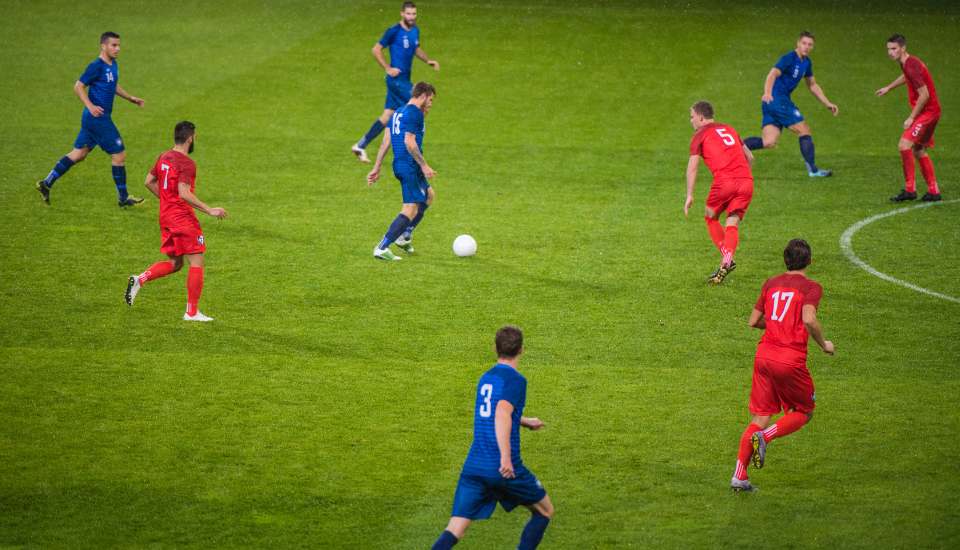
Gaelic football is one of the most physically demanding amateur sports in Ireland. Matches typically last over 70 minutes and involve:
These demands place significant stress on muscles, tendons, joints and the nervous system. Without adequate nutrition and hydration, the body struggles to repair this stress effectively, increasing the likelihood of:
Proper nutrition gives the body the building blocks it needs to adapt, recover and stay resilient across a long GAA season.
Learn how to prevent foot and ankle injuries in GAA.

Diet and nutrition are essential in GAA because they directly affect:
A poorly fuelled player is more likely to experience fatigue, reduced concentration, slower reaction times and prolonged recovery – all of which raise injury risk.
Protein is critical for repairing muscle damage caused by training, matches and injuries. GAA players place repeated stress on large muscle groups, and without sufficient protein intake, recovery is compromised.
Benefits of adequate protein intake include:
Good protein sources include lean meats, fish, eggs, dairy, beans and lentils. Consuming protein after training or matches is especially important.
Carbohydrates are the primary energy source for high‑intensity sports like Gaelic football. Low carbohydrate intake can lead to early fatigue, reduced sprint capacity and poor decision‑making late in games.
Carbohydrates help:
Irish staples such as porridge, potatoes, wholegrain bread, rice and fruit are excellent options for GAA players.
Healthy fats play a role in hormone production, joint health and inflammation management. This is particularly relevant for players dealing with joint pain or long‑term niggles.
Sources include:
Hydration is often overlooked, particularly in Ireland’s cooler climate. However, dehydration can still occur during intense training sessions, indoor gym work and long matches.
Poor hydration can result in:
Even mild dehydration negatively affects physical and cognitive performance.
Adequate protein and carbohydrate intake supports muscle repair and reduces recovery time following strains. Hydration helps maintain muscle elasticity, lowering re‑injury risk.
These injuries are common in GAA due to lateral movement and kicking. Anti‑inflammatory foods and consistent nutrition support tissue healing during rehab.
Proper nutrition supports collagen production and tissue strength. Vitamin‑rich foods and sufficient calories are important during rehabilitation phases.
Learn how to cope with the mental impact during injuries as a GAA player.
Timing nutrition correctly improves recovery and prepares the body for the next session.

Most GAA players can meet their nutritional needs through food alone. Supplements may be helpful in certain situations, but they should never replace a balanced diet.
Commonly used supplements include:
Players should always consult a qualified professional and ensure supplements comply with anti‑doping regulations.
Nutrition works best when combined with effective recovery and injury-prevention strategies. Tools such as foam rollers, massage balls and exercise mats can help reduce muscle tightness, improve circulation and support rehabilitation when used alongside proper fuelling and hydration.
For players managing previous injuries or looking to reduce injury risk, knee brace support and ankle support for running can also play a preventative role. When used appropriately, supportive braces can help provide joint stability, improve confidence during training and matches, and reduce strain on vulnerable areas, particularly during return-to-play phases or heavy training blocks.
These supports should complement, not replace, proper strength work, mobility training and physiotherapy guidance.
Find out should you wear a knee support while running and how it helps.
Diet and nutrition are fundamental to performance, injury prevention and recovery in Gaelic football. When combined with proper hydration and structured recovery, good nutrition helps GAA players stay stronger, recover faster and perform consistently throughout the season.
By prioritising what you eat and drink, and supporting recovery with the right tools, you give your body the best chance to handle the physical demands of the modern GAA game.
Hydration supports muscle function, concentration and endurance. Proper fluid intake reduces cramps, fatigue and heat‑related issues while aiding post‑match recovery.
Nutrition strengthens muscles, joints and bones while reducing inflammation. Well‑fuelled players are less likely to suffer fatigue‑related strains and overuse injuries.
A match‑day diet should focus on carbohydrates for energy, moderate protein and adequate hydration, with recovery nutrition after the game.
Yes. Adequate protein, calories and micronutrients support tissue repair and can significantly shorten recovery times when combined with physiotherapy.
Protein needs vary based on body weight, training load and injury status, but most GAA players benefit from spreading protein intake evenly across meals and prioritising it after training and matches. During injury recovery, protein requirements are often higher to support muscle repair and rehabilitation.

Neil is the owner of Medpoint, a trusted supplier of physiotherapy and mobility products in Dublin, Ireland. With many years of hands-on experience in the healthcare and mobility sector, he has helped countless customers find the right solutions for comfort, fitness, recovery, and independence. Passionate about quality and care, he is dedicated to offering expert advice and reliable products that make everyday life easier.
If you’ve been advised to wear an orthopedic brace or support, you may be wondering whether the Health Service Executive (HSE) in...
Recovering from a foot or ankle injury often means choosing how you’ll stay mobile. Many people first think of crutches, but there’s...
If you’ve ever had a foot, ankle, or lower leg injury, there’s a good chance you’ve come across an orthopaedic boot. Sometimes...