
-
Phone Orders
01 – 9010395

- Physio Supplies
- Mobility Aids
- Wheelchairs
- Incontinence Aids
- Exercise & Rehab
- Injury Treatment
- Contact Us


When mobility becomes a challenge, simple daily routines like using the toilet can turn into a major source of stress. That’s where the commode come in. They’re one of the most practical and dignified aids for people who struggle to make it to the bathroom safely or comfortably.
Whether you’re recovering from surgery, caring for an elderly family member, or managing long-term mobility issues, this guide will help you understand what a commode chair is, the different types available, and how to choose the right one for your needs.
A commode chair is a portable toilet designed for people who have difficulty walking to or using a standard bathroom. It usually includes a seat with a removable pan or bucket underneath, which can be easily emptied and cleaned.
Some models look like ordinary chairs, blending discreetly into a bedroom or sitting room, while others are designed for medical or care settings. The goal is always the same – to make toileting safer, easier, and more comfortable for both the user and their carer.
In simple terms, a commode brings the toilet closer to the person who needs it. That can make a huge difference in terms of independence and confidence.
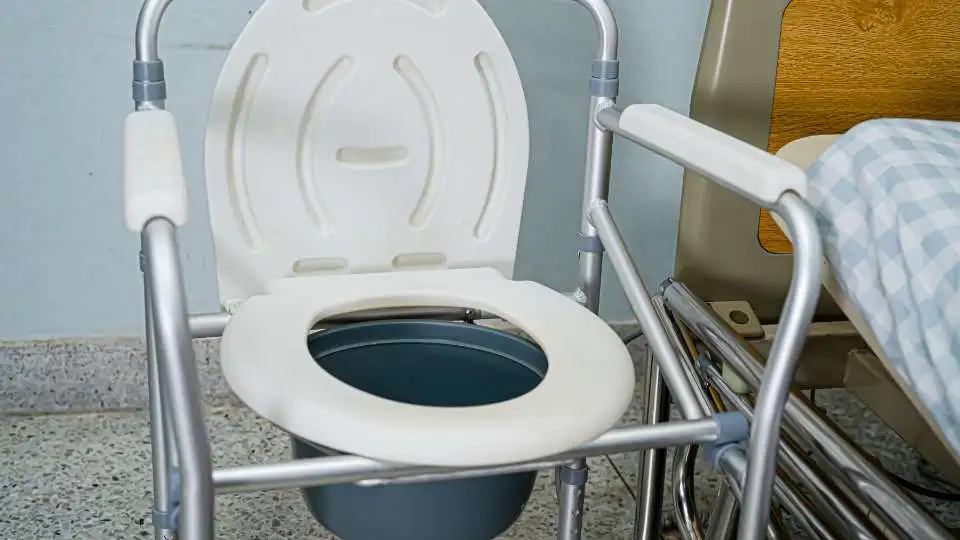
There isn’t just one type of commode chair. The right option depends on the user’s mobility level, home setup, and personal preferences. Let’s look at the main types and when each one works best.
A bedside commode is a freestanding chair placed close to the bed, ideal for people who have limited mobility, especially at night. It typically has armrests and a padded seat with a removable bowl underneath.
Bedside commodes are best suited for:
They’re available in different materials, from lightweight aluminium to sturdy steel, and can often double as a support chair for getting dressed or transferring in and out of bed.

A toilet chair with wheels allows carers to move the user from the bedroom to the bathroom without multiple transfers. These commodes usually feature lockable castors for safety and may also fit over a standard toilet, making them versatile and hygienic.
They’re a great option for:
If you’re looking for flexibility and minimal lifting, a wheeled commode is one of the best options.
A 3-in-1 commode can be used in three ways:
It’s ideal for people in rehabilitation or anyone looking for an adaptable solution. The multi-use design means you can adjust its role as mobility improves or needs change over time.
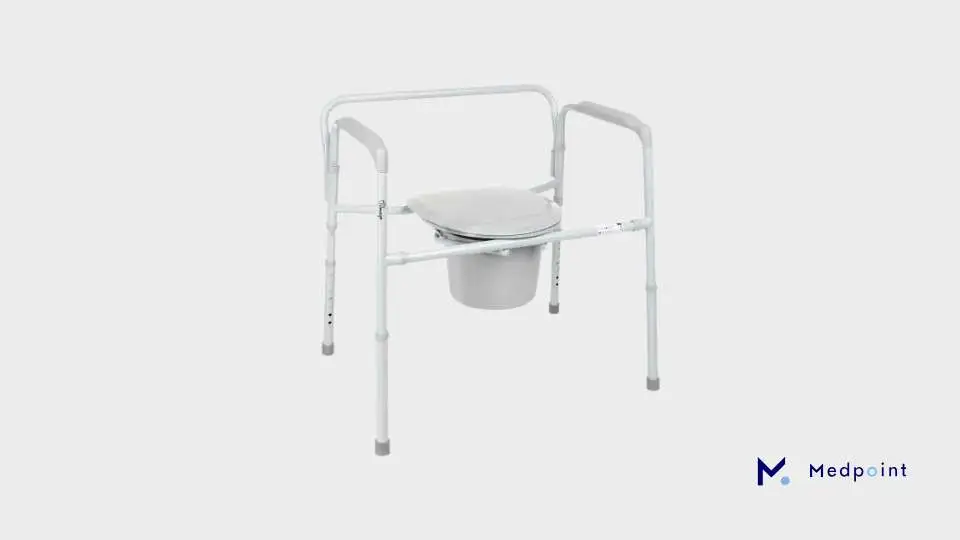
Bariatric commodes are designed for users who need additional strength and width in their chair. They’re built with reinforced frames and wider seats, offering greater comfort and security.
These commodes often have non-slip rubber tips, adjustable height, and higher weight capacities. They’re not just about size – they’re about safety, dignity, and comfort for users who need a sturdier option.
A foldable commode chair is perfect for anyone short on space or frequently on the go. These lightweight chairs fold down easily for storage or transport and are ideal for holiday homes, hospital visits, or occasional use.
Despite being portable, many models are surprisingly stable. Look for non-slip feet, easy-clean materials, and a secure locking mechanism once unfolded.
If you’re looking for something you can tuck away when not in use, a foldable toilet chair is a great fit.
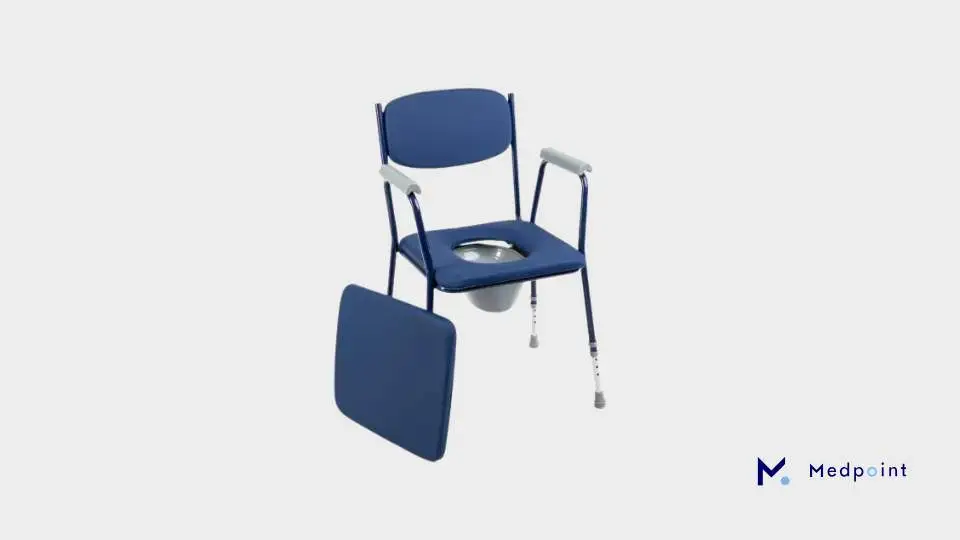
While most commodes come in neutral tones, some users prefer coloured designs like the blue commode chair. These are not only visually appealing but can also help users with dementia or visual impairments identify their chair more easily.
Colour contrast can make a big difference for safety and confidence in people with cognitive decline or sight loss.
Shop quality Commodes with Medpoint
Commode chairs are helpful for a wide range of people. They’re commonly used by:
In all these cases, the right commode can restore dignity, independence, and safety.
Choosing a commode depends on a few key factors:
When in doubt, it’s always best to seek advice from mobility specialists who can guide you based on your specific needs. As a mobility store in Ireland, Medpoint offers expert advice and a wide range of commodes suitable for every home and care setting.

Where you place the commode matters just as much as which one you choose.
Positioning should always prioritise safety, accessibility, and privacy.
Learn what factors to consider when choosing a commode for an elderly person.
The HSE can sometimes provide funding or equipment loans for commodes through its community occupational therapy or public health nurse services.
If you or your loved one is struggling with mobility, it’s worth contacting your local health centre. An occupational therapist can assess your needs and determine if a commode chair or other mobility aid qualifies for funding or supply.
Private purchase is also an option, and many people choose to buy their own to ensure comfort, quality, and style. Here’s a handy guide about HSE commodes.
To get the most from your commode chair, keep these simple tips in mind:
Regular maintenance not only extends the life of the commode but also ensures user safety.
A commode chair can make a real difference in daily comfort, independence, and dignity. The key is to choose one that suits your mobility level, home layout, and personal needs.
At Medpoint, we’re more than a supplier – we’re mobility specialists committed to helping you find the right solutions such as bathing and toilet aids for safer and easier living. Explore our full range of commodes and bathroom aids to discover options that combine practicality, safety, and peace of mind.
Some wheeled commodes are waterproof and double as shower chairs. Always check the manufacturer’s specifications before use.
A commode includes a removable pan for toileting away from the bathroom, while a toilet frame provides support around an existing toilet.
Yes. Most models have adjustable legs so you can set the right height for comfort and safety.
Ideally after every use. Rinse the pan with water and disinfectant, then dry thoroughly before replacing.
Yes. Bariatric commodes are designed for higher weight capacities and wider seats, providing secure and stable support.

Neil is the owner of Medpoint, a trusted supplier of physiotherapy and mobility products in Dublin, Ireland. With many years of hands-on experience in the healthcare and mobility sector, he has helped countless customers find the right solutions for comfort, fitness, recovery, and independence. Passionate about quality and care, he is dedicated to offering expert advice and reliable products that make everyday life easier.

Incontinence pads are a practical, everyday solution for people managing bladder or bowel leakage. For many customers, the bigger concern isn’t...

If getting to the toilet is slow, painful, or unpredictable, incontinence can quickly become the biggest stress in the day. The good...

Getting an electric wheelchair is just the beginning of your mobility journey. The real difference in your daily life comes from...