
-
Phone Orders
01 – 9010395

- Physio Supplies
- Mobility Aids
- Wheelchairs
- Incontinence Aids
- Exercise & Rehab
- Injury Treatment
- Contact Us

If getting to the toilet is slow, painful, or unpredictable, incontinence can quickly become the biggest stress in the day. The good news is you can make things easier with a mix of the right aids, a few home set-ups, and a routine that supports dignity and independence.
This guide focuses on practical ways to manage bladder and bowel leaks for people with reduced mobility – at home, while travelling, and during everyday outings. It’s written for customers and families, not clinicians, so you’ll get clear options and tips you can actually use.
Because timing and access matter as much as bladder or bowel control. When someone can’t stand quickly, transfer safely, or walk to the bathroom in time, even mild urgency can turn into leakage.
Reduced mobility can affect continence in a few common ways:
It’s also normal for continence to change after illness, surgery, or a fall. If incontinence is new or suddenly worse, it’s worth checking in with a GP or continence service to rule out causes like urinary tract infection, constipation, medication changes, or unmanaged pain.

Start with safety and dignity together, then build leak protection around that. If someone is rushing and falling, the “fix” isn’t just a bigger pad – it’s a safer way to toilet.
A helpful order to work through:
Even small changes can make a big difference, like adding a night light, adjusting chair height, or placing supplies where they’re easy to reach.
Make the bathroom (or the route to it) work for the person, not the other way around. The aim is fewer near-misses, less rushing, and safer transfers.
If getting to the bathroom is the main barrier, having a toileting option nearby can reduce accidents and reduce falls risk. For some people, a commode beside the bed or in the living area is the most practical solution, especially overnight or during flare-ups of pain or fatigue.
If you go down this route, think about:
Check our complete guide about commodes.
Pick products based on the leak, the person’s movement, and how often carers can support changes. “Best” is personal – the right choice is the one that keeps skin healthy and reduces stress.
If you’re building a kit, it’s common to mix options – for example, lighter daytime protection and higher absorbency at night.
You can also choose between “just in case” protection and higher security products. A lighter option may feel more normal and encourage confidence, while a more absorbent option can reduce changes and sleep disruption.

Pads tend to suit people who can manage changing while seated, or with carer support, and who prefer a smaller product. Pull-up pants tend to suit people who can stand briefly and want a more underwear-like fit.
A quick way to decide:
Fit matters more than many people realise. Gapping can cause leaks even with high absorbency. Too tight can cause rubbing and skin damage. If leaks happen at the legs or waistband, it’s often a sizing or fit issue, not just absorbency.
In case you wonder, here’s how to dispose of incontinence pads properly.
Keep skin clean, dry, and protected – and avoid harsh scrubbing. Moisture, friction, and contact with urine or stool can cause redness, breakdown, and discomfort. That’s where a consistent routine helps.
For quick clean-ups, many carers like having both patient wet wipes and patient dry wipes on hand – wet for cleaning, dry for patting and making sure skin is properly dry before putting a fresh product on.
For odour, the biggest difference comes from:
Scented products can irritate some people, so unscented is often the safer choice.
If you’re constantly changing sheets or worried about furniture, protective layers can ease stress and protect sleep.
For beds, incontinence sheets (protective bedding layers) can reduce laundry and protect the mattress. For chairs and wheelchairs, waterproof chair protectors or disposable pads can be helpful, especially during long sitting periods.
A practical tip: layer your bed so a night-time change is quicker. For example:
If there’s a leak, you can remove the top layer and you’re back to a clean bed faster.

If standing transfers are unsafe, focus on seated or assisted options and reduce the need to rush.
Helpful strategies include:
For carers, it’s worth thinking about your own safety too. If you’re supporting transfers, consider safe moving and handling guidance and use aids that reduce strain. A rushed transfer is when slips happen.
Yes, they can. Timed toileting (sometimes called prompted toileting) is simply going at set times instead of waiting for urgency. It reduces panic and can cut down on accidents, especially when mobility is the main barrier.
A simple starting point:
Then adjust based on patterns. For example, if leaks happen mainly after tea or coffee, plan a toilet visit shortly after. If night-time is the hardest, reduce evening fluids a bit (without dehydrating), avoid bladder irritants later in the day, and plan a final toilet trip right before sleep.
Pack for speed, discretion, and comfort. You don’t need to overdo it – you just need the right basics so you’re not caught short.
If you’re wearing incontinence wear for outings, focus on comfort and fit. Travel tends to involve more sitting, longer stretches without a toilet, and fewer chances to change privately.
If flying, request assistance in advance and consider aisle access needs. If driving long distance, schedule stops rather than pushing through.

Night-time can be harder because sleep, darkness, and fatigue reduce response time. The goal is fewer disruptions, fewer bedding changes, and safer night-time toileting.
A few things that help:
If someone is waking multiple times and still leaking, the issue may be product fit, absorbency level, or timing (for example, drinking a lot late evening). Small tweaks can improve sleep quickly.
Here’s a complete incontinence aids guide.
The best support keeps the person in charge where possible. Even when someone needs help, you can preserve privacy and independence by offering choices and keeping things calm.
Carers also benefit from setting up the space: everything within reach, a bin with a lid, disposable gloves if needed, and a clear plan for laundry and disposal.
And just to put a name to it: Medpoint is an incontinence and mobility aids retailer in Ireland, and we see every day how much easier life gets when the home set-up matches the person’s actual mobility, not what they “should” be able to do.
If incontinence is sudden, painful, or linked with new confusion, fever, blood in urine, or severe constipation, get medical advice quickly. For ongoing issues, continence assessment can help with product choice, bladder training strategies, and identifying triggers.
You don’t need to wait until it’s “bad enough”. Early support often prevents skin issues, falls, and lost confidence.
Managing incontinence with reduced mobility comes down to practical support, the right aids, and routines that suit how someone actually moves day to day. When toileting feels safer and products fit properly, leaks become easier to manage and confidence improves. With small adjustments at home and thoughtful planning for outings, people can stay comfortable, dignified, and in control, even when mobility is limited.
Supporting Information: HSE Ireland on Urinary Incontinence
The best aids are the ones that match the person’s mobility and the type of leakage. Many people do well with a combination: a higher security option at night, and a lighter product during the day, plus a nearby toileting option if walking to the bathroom is unsafe.
Change often enough to keep skin dry and comfortable. For urine leaks, regular changes help prevent irritation. For bowel incontinence, change as soon as possible and clean gently to protect the skin.
Fit and routine are often the bigger wins. A properly fitted product plus timed toileting can reduce leaks more than simply increasing absorbency. Leaks around the legs or waistband usually point to sizing or positioning issues.
Plan toilet stops, pack a small kit, and choose accessible venues when you can. For longer days out, bring more supplies than you expect to need, and aim for products that stay comfortable during long sitting periods.
Use a gentle clean-and-dry routine, avoid rubbing, and protect with barrier cream if the skin is prone to redness. Make sure the product fits properly and change it regularly so moisture doesn’t sit against the skin.

Neil is the owner of Medpoint, a trusted supplier of physiotherapy and mobility products in Dublin, Ireland. With many years of hands-on experience in the healthcare and mobility sector, he has helped countless customers find the right solutions for comfort, fitness, recovery, and independence. Passionate about quality and care, he is dedicated to offering expert advice and reliable products that make everyday life easier.

Incontinence pads are a practical, everyday solution for people managing bladder or bowel leakage. For many customers, the bigger concern isn’t...

When mobility becomes a challenge, simple daily routines like using the toilet can turn into a major source of stress. That’s where...
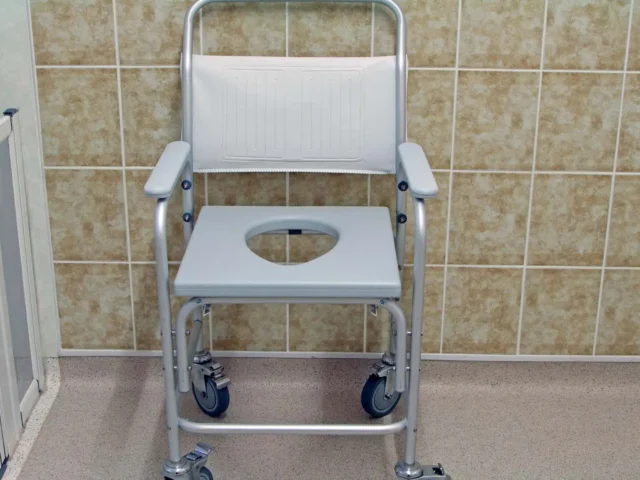
If getting to the bathroom has become difficult, a commode chair can make a huge difference. It offers safety, comfort and independence...