
-
Phone Orders
01 – 9010395

- Physio Supplies
- Mobility Aids
- Wheelchairs
- Incontinence Aids
- Exercise & Rehab
- Injury Treatment
- Contact Us

Modern life doesn’t slow down. Between work, travel, family, and daily demands, stress tends to build in the body often faster than we can release it. That’s where portable massage therapy tools come in, with massage balls leading the charge as a compact, affordable way to ease tension anywhere, anytime.
Whether you’re a physiotherapy professional looking for practical tools, or a customer seeking at-home relief, this guide explains how massage balls fit into the broader world of portable massage therapy—and why they’re becoming an essential part of every wellness kit.
Portable massage therapy refers to any treatment method that allows you to relieve muscle tension, pain, or stress without needing to visit a clinic or spa. The key is mobility tools and techniques that work when you’re at home, at work, or even in transit.
While a massage table and electric treatment tables are staples in professional settings, portable solutions like massage balls, trigger point tools, and even foldable treatment tables allow for flexibility and freedom, without compromising on results.
At Medpoint, we see portable massage tools as an extension of clinical care—allowing our customers to maintain recovery and prevent injury between physio visits.
Massage balls are among the most accessible and effective tools in portable therapy. Here’s why:

Long-haul flights, road trips, or airport layovers can wreak havoc on the body. Rolling your glutes, lower back, or feet with a massage ball during or after transit can prevent muscle stiffness and restore circulation.
Sitting for hours can cause tight hip flexors, lower back pain, or shoulder stiffness. Keep a ball in your drawer and use it on your upper back or under your feet for midday relief.
Massage balls help flush out lactic acid, reduce soreness, and speed up recovery. Focus on the quads, calves, or hamstrings—especially if you’re using resistance equipment like a foam roller or trigger point foam roller.
A gentle massage to the traps or feet with a ball can lower cortisol levels and promote deeper sleep.
Massage balls work by applying pressure to “trigger points”—knots or tight bands in your muscles. When using one, follow these guidelines:
If a ball is too firm or intense, start with a softer material. Over time, your muscles will adapt and tolerate deeper pressure.
| Tool | Best For | Portability | Skill Required | Common Use Case |
|---|---|---|---|---|
| Massage Ball | Trigger point relief | High | Low | Glutes, feet |
| Foam Roller | Broad muscle groups | Medium | Low | Quads, back |
| Trigger Point Foam Roller | Deep tissue and fascia work | Medium | Medium | IT band, calves |
| Massage Table | Full-body massage experience | Low | High | Professional use |
For the average person, a massage ball is the simplest way to start.
Find out how physiotherapy tables support different treatments.
In clinical practice, portable tools are often recommended to extend recovery and support mobility outside of therapy sessions. For instance:
At Medpoint, we provide guidance on choosing the right tools for your goals, whether you’re looking for at-home recovery or supplementing work with a professional massage table.

Creating a personal routine takes just five minutes a day. Here’s a simple protocol:
Just five to ten minutes per day can lead to noticeable results in flexibility, pain reduction, and overall well-being.
Not all massage balls are created equal. Here are features to consider:
Massage balls are best for self-massage or portable relief. But when deeper, full-body work is required, especially in a professional or home-based setting a massage table or electric treatment table is a better choice.
These tables offer the stability and positioning required for effective bodywork. They’re also essential for any traveling or home-based therapist delivering on-site sessions.
Many of our customers invest in both: a massage table for scheduled treatments and portable tools like massage balls for daily maintenance.
Massage balls aren’t just tools. They’re invitations—to pause, reset, and return to your body. They remind us that pain is a signal, not a sentence—and that relief doesn’t always require appointments or equipment.
In a world of constant motion, portable massage therapy offers stillness. It allows people to take charge of their wellness in small, consistent ways. Whether you’re a frequent traveller, an active worker, or someone managing chronic muscle tightness, adding a massage ball to your routine could be the simplest, most effective investment in your health this year.
Supporting Information: HSE
The proper term is “treatment table” or “massage table,” depending on its use. In physiotherapy, “treatment table” is common, while “massage table” is widely used in spa and wellness settings.
A high-quality professional massage table can range from €150 to over €1,000, depending on features like electric height adjustment, cushioning, and portability.
Massage tables are used to support the body during manual therapies like massage, physiotherapy, acupuncture, or chiropractic treatment. They’re designed for comfort, accessibility, and posture control.
Most standard tables support 200–250 kg of working weight. It’s important to check the specifications, especially if the table will be used in a professional setting.
That’s the face cradle or face hole—designed to support the head when a person lies face down. It helps align the spine and improve breathing during back treatments.

Neil is the owner of Medpoint, a trusted supplier of physiotherapy and mobility products in Dublin, Ireland. With many years of hands-on experience in the healthcare and mobility sector, he has helped countless customers find the right solutions for comfort, fitness, recovery, and independence. Passionate about quality and care, he is dedicated to offering expert advice and reliable products that make everyday life easier.
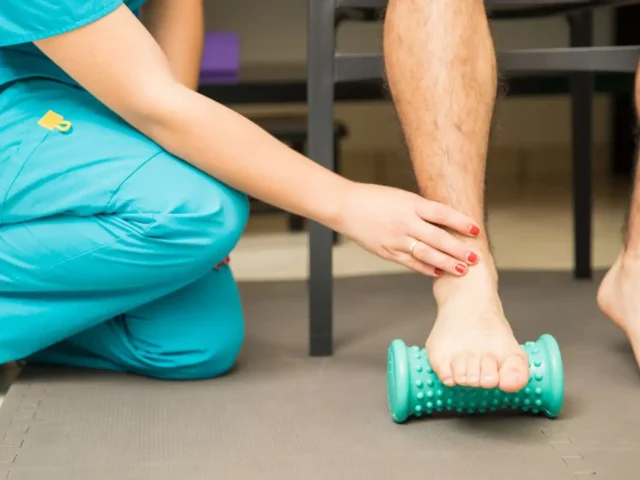
Plantar fasciitis is a common source of foot pain, affecting people from all walks of life. It is often described as a...
Running a physiotherapy clinic smoothly requires more than skilled therapists and a welcoming reception. The right physio supplies can make a...
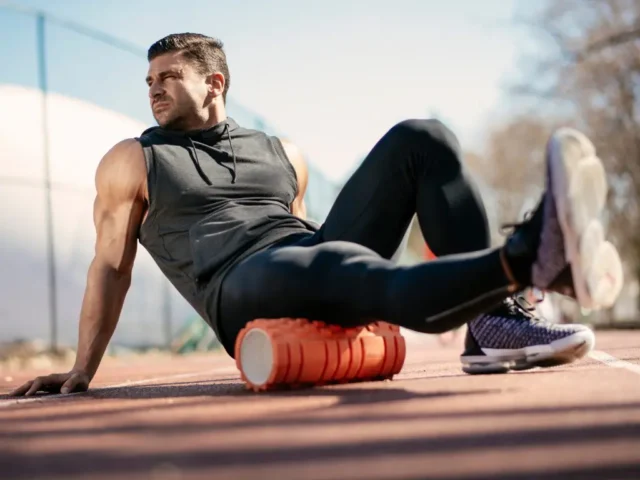
Foam rollers used to be reserved for athletes and physios. Now, they're showing up in living rooms, office spaces, and rehab routines...