
-
Phone Orders
01 – 9010395

- Physio Supplies
- Mobility Aids
- Wheelchairs
- Incontinence Aids
- Exercise & Rehab
- Injury Treatment
- Contact Us


Incontinence pads are a practical, everyday solution for people managing bladder or bowel leakage. For many customers, the bigger concern isn’t choosing the right product – it’s knowing how to dispose of it properly, discreetly and hygienically.
This guide explains how incontinence pads work, how they differ from other absorbent products, and exactly how to dispose of them at home, in public spaces, or in care settings. It’s written from the perspective of physio and mobility specialists who work with customers, carers and clinicians across Ireland every day.
Key takeaways
Incontinence pads are absorbent products designed to manage urine or light faecal leakage. They sit inside underwear and use layered materials to draw moisture away from the skin and lock it into an absorbent core.
Most pads have:
They’re designed for single use and should always be disposed of after wear, even if only lightly soiled.
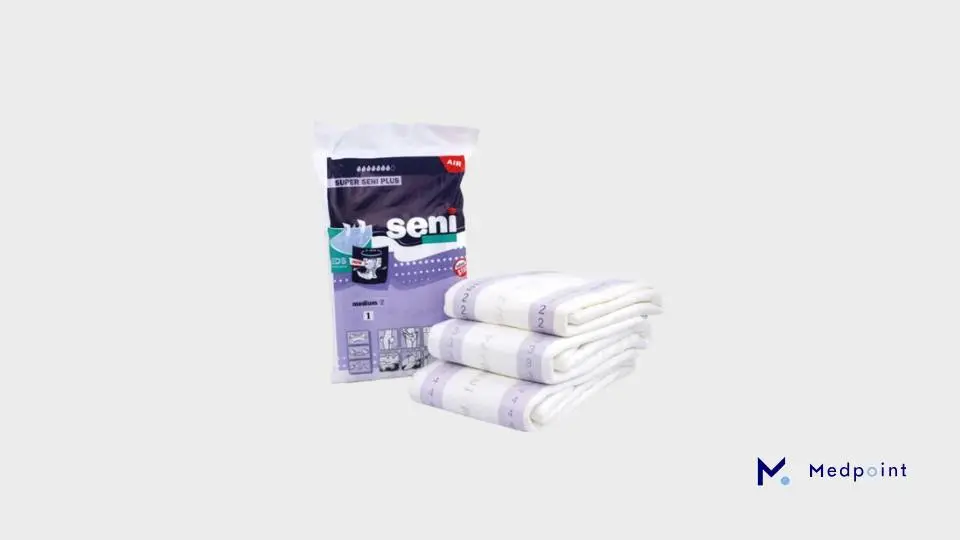
Incontinence products are often grouped together, but they serve different needs.
Incontinence pads
These are inserted into regular underwear and suit light to moderate leakage. They’re discreet, flexible and easy to change.
Incontinence pants
Also known as pull-on pants, these look like normal underwear but have absorbency built in. They’re useful for moderate to heavier leaks and are commonly chosen for independence and dignity. We often recommend incontinence pants for active users who want a secure fit.
Pull-ups and adult diapers
These provide higher absorbency and more coverage. Some have tear-away sides or adjustable tabs. They’re often used for overnight protection or limited mobility.
Bed and furniture protection
Products like incontinence sheets protect mattresses and chairs rather than the person, but they’re often used alongside pads or pants.
Each product type has different disposal considerations, but the core rules remain the same.
Need to restock? Shop quality incontinence pads from Medpoint.
Incontinence pads should always be placed in your household waste bin.
Here’s the safest and most discreet approach:
Never place used pads in recycling, food waste, or compost bins. Even pads that appear “dry” contain absorbent polymers that contaminate recycling streams.

In Ireland, used incontinence pads belong in the general waste bin.
Local authorities classify them as hygiene waste, similar to nappies and sanitary products. They are not accepted in recycling or organic waste collections.
Some councils allow extra waste allowances for households managing medical or continence needs, so it’s worth checking local guidelines if waste volume is a concern.
No – incontinence pads are not flushable.
Even products marketed as “flush-friendly” should never go down the toilet. Pads contain superabsorbent polymers that swell in water, leading to blocked pipes, sewage overflows and environmental damage.
Flushing pads can:
If it doesn’t dissolve like toilet paper, it doesn’t belong in the toilet.
Disposing of pads discreetly outside the home is a common concern.
Most public toilets provide:
If a sanitary bin is available, it’s acceptable to use it for incontinence pads. If not, wrap the pad securely and place it in a general waste bin.
Carrying small disposal bags or nappy sacks in a handbag or backpack makes this much easier and more discreet.

From a disposal point of view, there’s no difference.
Products designed for male anatomy, such as [incontinence pads for men], still follow the same rules:
The difference lies in fit and absorbency, not disposal method.
Odour control starts with correct disposal and regular changing.
Practical tips include:
Many customers also combine pads with breathable incontinence wear to improve comfort and skin health.

In professional settings, incontinence pads are treated as hygiene waste.
Care homes and clinics usually:
If you’re supplying a care environment, consistent disposal routines help maintain dignity, cleanliness and staff safety.
As a physio and mobility aids retailer in Ireland, Medpoint works closely with clinics, care homes and private clients to ensure continence products are used and disposed of correctly across all settings.
Incontinence pads are not recyclable, but responsible disposal helps reduce impact.
Some manufacturers are improving sustainability by:
Using the correct product for your needs can also reduce waste – for example, avoiding oversized pads when lighter protection would suffice.
Knowing how to dispose of incontinence pads properly makes daily life easier, cleaner and more discreet. With the right routine, disposal becomes just another simple step rather than a source of worry or embarrassment.
Choosing suitable products, changing them regularly and disposing of them correctly supports comfort, hygiene and confidence – at home, at work or out and about.
If you’ve found this guide helpful, you will also benefit from our guide to managing incontinence with reduced mobility.
Incontinence pads should go in the general household waste bin. They are classed as hygiene waste and cannot be recycled or composted.
Fold it inward, wrap it in paper or a disposal bag, tie securely and place it in a general waste bin. Never flush it.
Yes. If a sanitary bin is provided in a public or accessible toilet, it’s appropriate to use it for incontinence pads.
Used pads from brands like TENA should be wrapped securely and placed in general waste. Brand doesn’t change disposal rules.
No. Incontinence pads are not flushable and should never be put down the toilet, even if labelled otherwise.

Neil is the owner of Medpoint, a trusted supplier of physiotherapy and mobility products in Dublin, Ireland. With many years of hands-on experience in the healthcare and mobility sector, he has helped countless customers find the right solutions for comfort, fitness, recovery, and independence. Passionate about quality and care, he is dedicated to offering expert advice and reliable products that make everyday life easier.

If getting to the toilet is slow, painful, or unpredictable, incontinence can quickly become the biggest stress in the day. The good...

When mobility becomes a challenge, simple daily routines like using the toilet can turn into a major source of stress. That’s where...
If getting to the bathroom has become difficult, a commode chair can make a huge difference. It offers safety, comfort and independence...