
-
Phone Orders
01 – 9010395

- Physio Supplies
- Mobility Aids
- Wheelchairs
- Incontinence Aids
- Exercise & Rehab
- Injury Treatment
- Contact Us

For many older adults, the bathroom becomes one of the most hazardous places in the home. Hard surfaces, wet floors, and limited mobility create the perfect conditions for slips, falls, and injury. But with the right bathroom aids, elderly individuals can navigate this space with more confidence, independence, and safety.
At Medpoint, we’ve worked with thousands of customers across Ireland to help them stay independent at home. As mobility and physio experts, we understand how the right daily living aids can restore dignity, reduce injury risk, and make everyday routines more comfortable.
This guide will walk you through the most effective bathroom aids for elderly people, using clear examples to explain how they work, when to use them, and what to consider when choosing the right solutions for your needs.
Bathroom-related injuries are not uncommon. According to the HSE and other global health authorities, thousands of older adults end up in A&E each year due to falls in or around the bathroom. The reality is simple: as we age, the risk increases — but the right equipment can dramatically reduce that risk.
Installing mobility aids in key bathroom areas is not just about safety — it’s about maintaining freedom. A properly chosen shower chair or raised toilet seat can mean the difference between needing assistance and staying independent.
Grab bars are one of the simplest, most effective bathroom aids you can install. Fitted beside toilets, showers, and bathtubs, they provide support when moving, standing, or lowering yourself down.
Example: If balance is an issue, a vertical grab bar near the shower entrance helps provide stability as you step in and out. A horizontal bar near the toilet aids in standing up.
Tips When Choosing:
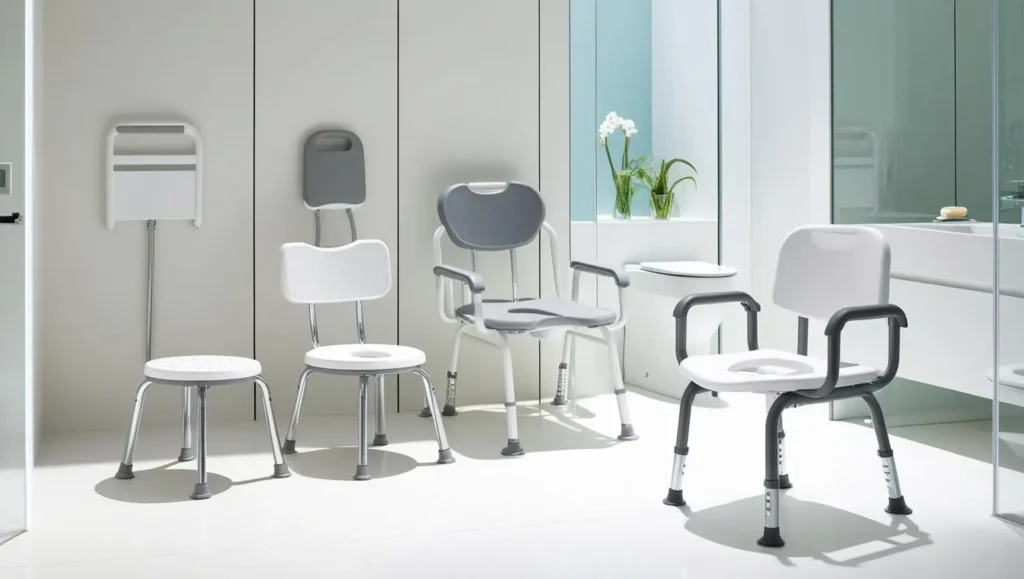
Standing in a wet shower can be risky — especially for anyone with reduced leg strength, arthritis, or unsteady balance. Shower chairs offer a secure place to sit while bathing, reducing fatigue and the chance of slipping.
Variations:
Example: A customer with arthritis in her hips found showering painful. Adding a shower chair and a handheld showerhead made bathing more comfortable — and safer — overnight.
Learn more about shower chairs and shower benches here.
Toilets are often lower than is comfortable for elderly individuals. This makes sitting down or getting up more difficult — especially for those with joint or balance issues.
Raised toilet seats increase the seat height by a few inches, reducing strain on the knees and hips. They’re often combined with armrests or toilet safety frames for additional support.
Key Features to Consider:
These simple additions often make a big difference in someone’s ability to use the toilet without needing help.
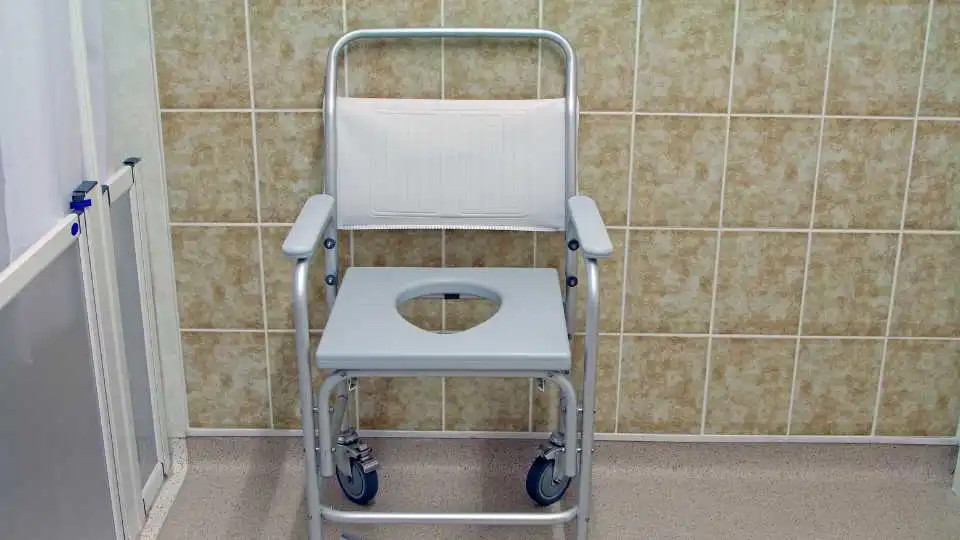
For those who struggle to get to the bathroom — especially at night — a commode chair offers a convenient alternative. It’s a portable toilet that can be placed in a bedroom or nearby living space.
Ideal For:
There are also shower commodes that double as waterproof chairs, ideal for carers assisting someone in the shower.
Example: A person with Parkinson’s may use a bedside commode at night to avoid dangerous trips to the toilet in the dark.
Find out how to spot the right commode chair for your or your loved one’s needs.
If balance or leg strength is a concern, toilet safety frames can make using the toilet much safer. These freestanding or attached frames offer arm support, helping users lower or raise themselves without putting all the strain on their joints.
What to Look For:
Combined with a raised seat, this can completely transform the toileting experience for elderly users.
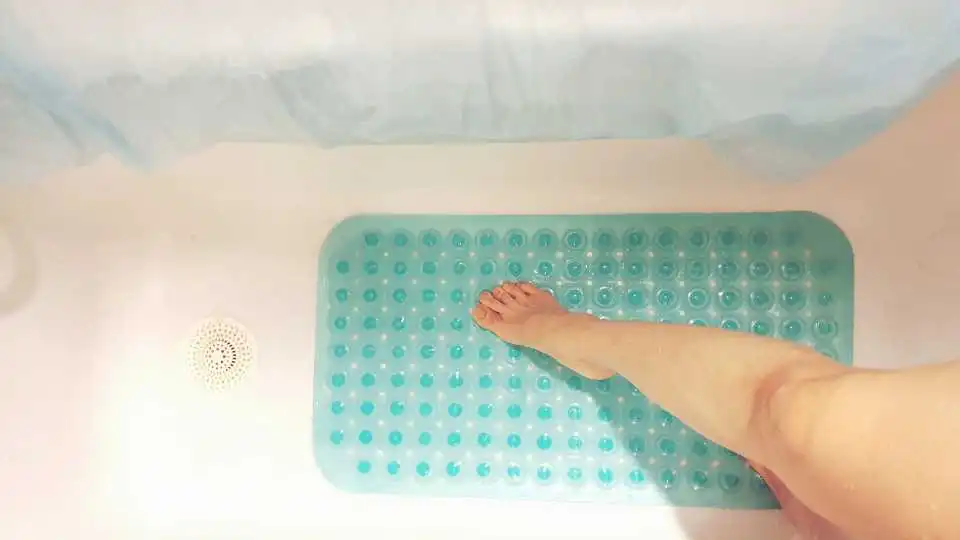
Many homes still rely on standard bath mats, which often slide around on wet surfaces. That’s a major hazard.
Non-slip mats and adhesive treads are designed to stay firmly in place, providing grip in wet areas like showers, bathtubs, and tiled floors.
Quick Tip: Choose rubber-based mats with drainage holes to avoid water pooling. Adhesive treads work well on steps or sloped surfaces in wet rooms.
Traditional overhead showers can be difficult for someone with limited mobility. Handheld showerheads give control back to the user — they can be held while seated, used to wash specific areas, and adjusted to suit different preferences.
Look for:
This small upgrade can make personal hygiene easier and more dignified.
Getting in and out of a bathtub can be risky — especially for someone with balance or strength issues.
Transfer benches extend over the edge of the tub. The user sits on the bench outside the tub and slides across safely.
Bath lifts are more advanced devices that lower and raise a person into the tub at the push of a button.
These aids are especially useful for customers with neurological conditions or joint replacements who cannot step over a tub edge.
Small items can make a big difference. Some additional toileting aids for elderly and general daily living aids include:
Not every aid is suitable for every customer. When choosing bathroom aids for elderly individuals, consider:
It’s also a good idea to consult a physiotherapist or occupational therapist. At Medpoint, our team is always happy to advise — and we only stock proven, quality-tested products suited for Irish homes.
Learn more about how to find the right bathroom aids
There’s a big difference between cheap plastic aids and long-lasting, ergonomic designs. With items like raised toilet seats, commode chairs, or shower benches, stability and comfort are key — and that comes from good design, quality materials, and expert advice.
We’ve seen too many cases where a poorly made product did more harm than good. That’s why we always recommend investing in trusted solutions built for daily use.
The right bathroom aids aren’t just accessories. They’re tools for living. For elderly people, especially those trying to maintain independence, a few well-chosen supports in the bathroom can drastically reduce risk, increase comfort, and restore a sense of control over daily routines.
Whether it’s a shower chair, grab bar, commode, or toilet safety frame, these tools help create a bathroom that works for your body — not against it.
At Medpoint, we’re proud to support thousands of customers across Ireland with high-quality mobility aids that work. If you’re not sure what you need, we’re just a call or message away.
Bathroom aids are devices designed to make bathing and toileting safer and easier. They’re ideal for elderly individuals, people with limited mobility, or anyone recovering from surgery.
A commode is a portable toilet that can be placed anywhere in the home. A raised toilet seat modifies an existing toilet by increasing its height, making it easier to sit and stand.
Many aids like grab bars, toilet frames, and non-slip mats can be installed without professional help. Others, like bath lifts or wall-mounted supports, may need expert installation.
Yes. There are compact shower stools and foldable models designed for smaller spaces. It’s important to choose one with adjustable legs and a non-slip base.
You can find a wide range of bathroom aids for elderly people at Medpoint, Ireland’s trusted supplier of mobility aids and physio equipment. We offer expert advice and fast delivery nationwide.

Neil is the owner of Medpoint, a trusted supplier of physiotherapy and mobility products in Dublin, Ireland. With many years of hands-on experience in the healthcare and mobility sector, he has helped countless customers find the right solutions for comfort, fitness, recovery, and independence. Passionate about quality and care, he is dedicated to offering expert advice and reliable products that make everyday life easier.

Getting an electric wheelchair is just the beginning of your mobility journey. The real difference in your daily life comes from...

When mobility becomes a challenge, simple daily routines like using the toilet can turn into a major source of stress. That’s where...

Slipping in the shower is one of the most common causes of falls at home, especially for older adults or people with...