
-
Phone Orders
01 – 9010395

- Physio Supplies
- Mobility Aids
- Wheelchairs
- Incontinence Aids
- Exercise & Rehab
- Injury Treatment
- Contact Us


Caregiving today is more demanding than ever, physically, emotionally, and mentally. Whether you’re helping a loved one full-time or offering part-time support, your role can often feel like juggling ten jobs at once. One tool that has quietly transformed this experience for many is the rollator walker.
Often mistaken for a simple walking aid, a rollator is much more than that. Among all mobility aids, it stands out for its balance of freedom and support. It gives people the ability to move independently while offering caregivers peace of mind. It’s a bridge between full-time assistance and independent living—a mobility solution that helps preserve dignity, reduce injuries, and support daily routines for both the customer and the caregiver.
One of the most overlooked benefits of rollators is how much strain they take off the caregiver.
Imagine helping someone walk down the hallway without support. Every step demands balance correction, encouragement, and physical assistance. Now imagine they’re using a stable 4-wheel rollator with a seat and brakes. Suddenly, they’re walking with confidence, and you’re walking beside them and not holding them up.
Caregivers often report that once their customer begins using a rollator, they experience less back pain, fewer repetitive strain injuries, and significantly less fatigue. Mentally, there’s relief too. You’re not constantly worrying about a fall or trying to predict every potential misstep.
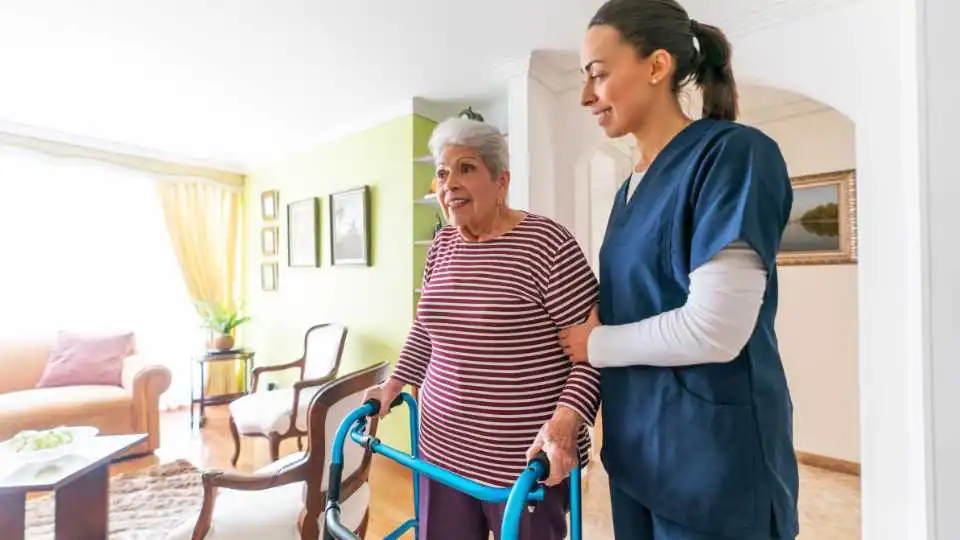
The emotional toll of losing independence can be heavy—for the person and their caregiver. Customers want freedom. Caregivers want safety. A rollator offers both.
With a rollator with seat, for example, users can rest whenever they need without calling for help or fearing they’ll collapse. They can walk at their own pace, stop when necessary, and carry small items in the rollator’s basket or tray.
This kind of autonomy restores confidence. For the caregiver, it means fewer interruptions, less micromanaging, and more time for meaningful connection. You’re no longer just a helper, you’re a companion on the journey, not the engine pulling the weight.
Find out more on how to help your clients apply for a rollator from HSE.
Every customer has different needs, and not every rollator will suit every situation.
Here’s a simple breakdown to help you decide:
It’s important to consider not only physical needs (like strength, balance, and height) but also lifestyle. Do they go shopping often? Is the terrain uneven? Do they need something foldable for car travel? Our team at Medpoint helps customers every day to match the right rollator to their lifestyle and not just their mobility level.
Here’s a detailed guide on how to use a rollator.

Even the best rollator can become unsafe if not used properly. Here are key things every caregiver should keep in mind:
1. Check the brakes regularly.
This is the most common point of failure. If brakes feel loose or unresponsive, get them adjusted or serviced before the next use.
2. Adjust the handle height.
Handles should align with the wrists when standing upright. Incorrect height leads to bad posture, fatigue, and even falls.
3. Encourage proper use.
Make sure the customer walks inside the frame—not too far behind or ahead. Remind them to look forward, not down at their feet.
4. Avoid uneven or loose terrain.
Most rollators are not designed for gravel, soft grass, or thick carpets. Stick to flat, secure paths or use an alternative like a zimmer frame, knee walker or a walking stick if needed.
5. Keep it clutter-free.
Too many bags or items on a rollator can make it unstable. Use built-in baskets and don’t hang heavy objects on the handles.
The most successful rollator users are the ones who make it part of everyday life. As a caregiver, you can gently support this by making the rollator feel useful—not just necessary.
Here are a few simple ways:
When a rollator becomes a trusted part of the routine, it enhances not just mobility—but confidence and engagement too.
Learn how rollator walkers benefit seniors in Ireland.

Caregiving is about more than helping, it’s about enabling. A rollator gives caregivers the chance to step back without stepping away.
Seniors can regain the freedom to go for a walk, reach the kitchen on their own, or even enjoy a solo cup of tea in the garden. That shift from dependency to supported independence is powerful.
Caregivers benefit, too. With fewer physical demands, more emotional peace of mind, and better shared experiences, the relationship becomes less about what you have to do and more about what you can enjoy together.
At Medpoint, we’ve seen this transformation time and time again. Our customers in Ireland tell us the same thing: “This changed everything.” And it really can, if you choose the right rollator, use it safely, and build it into daily life with care.
Supporting Information: HSE
Rollators make daily tasks easier by allowing customers to move independently during routines like dressing, cooking, or attending appointments. This reduces the need for constant physical assistance and gives caregivers more time and energy to focus on other responsibilities.
Key features to consider include easy-to-use brakes, adjustable handle height, a comfortable seat, built-in storage, and a lightweight yet sturdy frame. These ensure safety, comfort, and convenience for both the customer and the caregiver.
We recommend a quick check weekly and a more thorough inspection monthly. Caregivers should look at the brakes, tyre wear, frame stability, and any loose parts to ensure safe use.
Yes, when used correctly. Rollators provide steady support, encourage upright posture, and reduce the need to lean on furniture or walls. This makes them an excellent fall-prevention tool—especially in common areas like kitchens, hallways, and bathrooms.
Build it naturally into daily habits. Encourage its use for short trips around the house, during outings, and even during social activities. Remind customers that the rollator is a tool for freedom, not a sign of weakness.

Neil is the owner of Medpoint, a trusted supplier of physiotherapy and mobility products in Dublin, Ireland. With many years of hands-on experience in the healthcare and mobility sector, he has helped countless customers find the right solutions for comfort, fitness, recovery, and independence. Passionate about quality and care, he is dedicated to offering expert advice and reliable products that make everyday life easier.

Getting an electric wheelchair is just the beginning of your mobility journey. The real difference in your daily life comes from...

When mobility becomes a challenge, simple daily routines like using the toilet can turn into a major source of stress. That’s where...

Slipping in the shower is one of the most common causes of falls at home, especially for older adults or people with...