
-
Phone Orders
01 – 9010395

- Physio Supplies
- Mobility Aids
- Wheelchairs
- Incontinence Aids
- Exercise & Rehab
- Injury Treatment
- Contact Us

If you’re living with Parkinson’s disease or supporting someone who is, you’ll know how much daily mobility can change over time. Something as simple as going for a walk, popping to the shop or strolling in the park can quickly become exhausting or unsafe without the right support.
That’s where a rollator can make all the difference. It’s more than just a frame on wheels – the right one can bring back confidence, independence and peace of mind. But not all rollators suit every situation, and for those with Parkinson’s, there are some unique challenges to consider.
Let’s take a closer look at how to choose the best rollator for Parkinson’s disease and what to watch out for.
Parkinson’s doesn’t just affect movement – it affects how movement happens. You might walk fine one minute, then freeze the next. Some people lose their balance more easily, while others tire quickly or feel stiff and slow.
Here’s a quick list of what Parkinson’s can throw at you during a simple walk:
Not every rollator is built to support these kinds of challenges. You can find a rollator with seat, or without a seat but instead with a storage bag and basket. Choosing the right one can mean the difference between leaving the house with confidence or staying in out of fear.
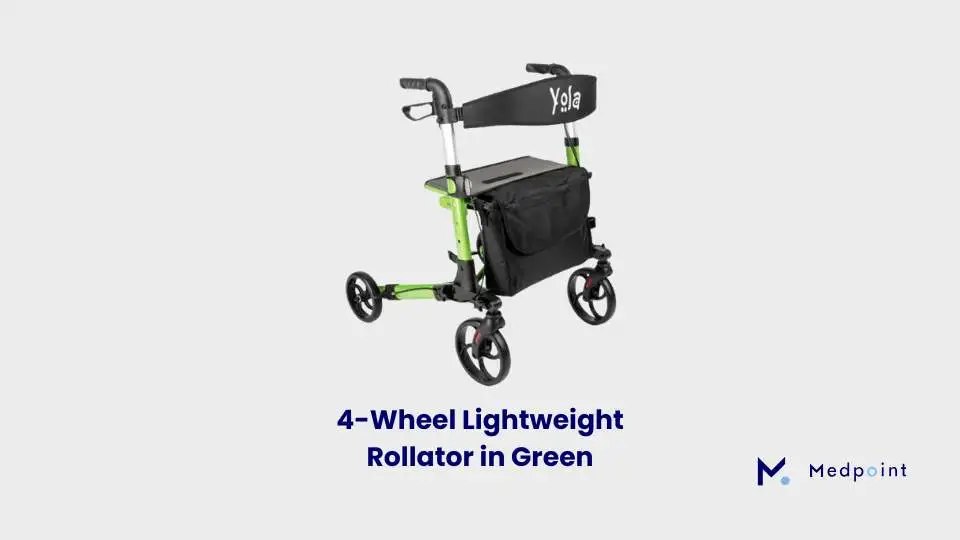
Some rollators look sleek but feel heavy. For someone living with Parkinson’s, that extra weight can be the thing that puts them off using it.
Look for a frame that glides smoothly but still feels stable. The 4 Wheel Lightweight Rollator in Green is ideal here – light enough to lift easily, even with one hand, and turns without needing effort. It’s a great choice for anyone who finds walking tiring or lives in a smaller space like an apartment or bungalow.
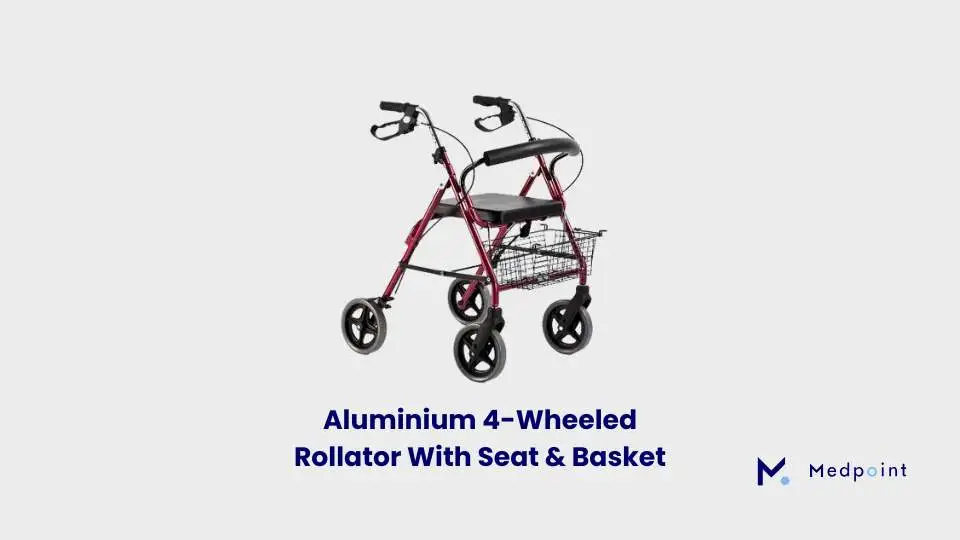
Freezing of gait can happen suddenly. You might feel stuck or light-headed mid-step. Having a seat you can rely on for a quick pause is essential.
The Aluminium 4-Wheeled Rollator With Seat & Basket comes with a padded seat and a storage basket underneath – perfect for carrying essentials and resting when you need it. Whether you’re in the supermarket queue or out in the garden, a seat gives you freedom to stop without worrying.
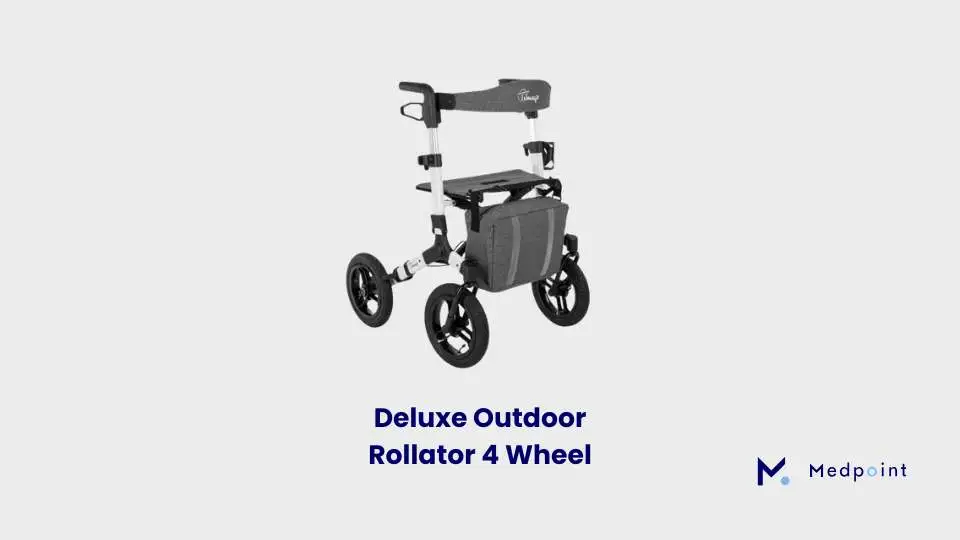
We all know Irish footpaths can be a bit unpredictable – from uneven kerbs to cracked concrete or sudden cobblestones. A rollator with large, sturdy wheels will absorb the bumps and give smoother motion.
If you’re someone who enjoys outdoor walks or lives in a more rural area, the Deluxe Outdoor Rollator 4 Wheel offers the kind of grip and stability that makes you feel safe outside. Its solid build doesn’t feel bulky, and it rolls well across different types of terrain.
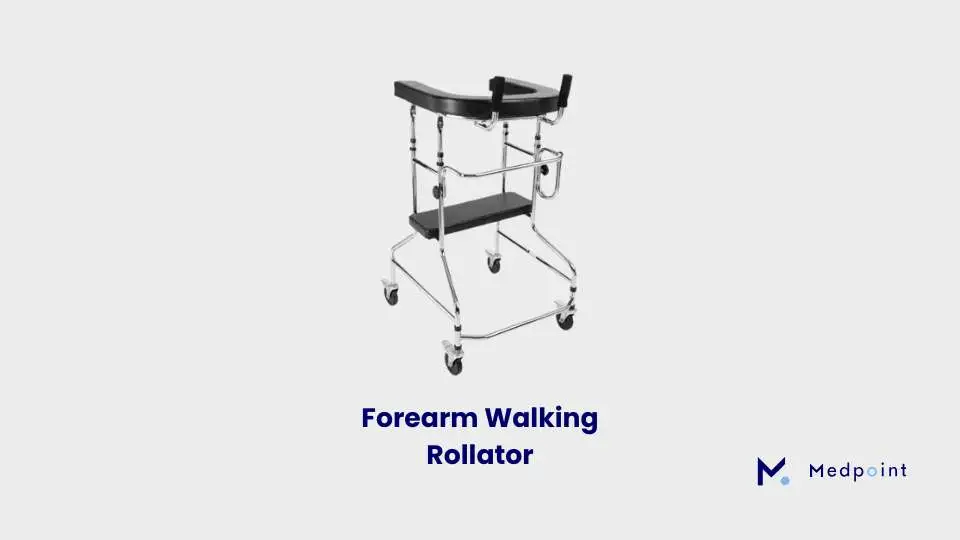
If tremors or hand weakness are an issue, traditional handles may be uncomfortable or even unsafe. A forearm support takes pressure off the hands entirely and offers better posture.
That’s where the Forearm Walking Rollator comes in. With padded rests and upright handles, it encourages better alignment and can reduce the chance of leaning too far forward – something we see often in Parkinson’s.
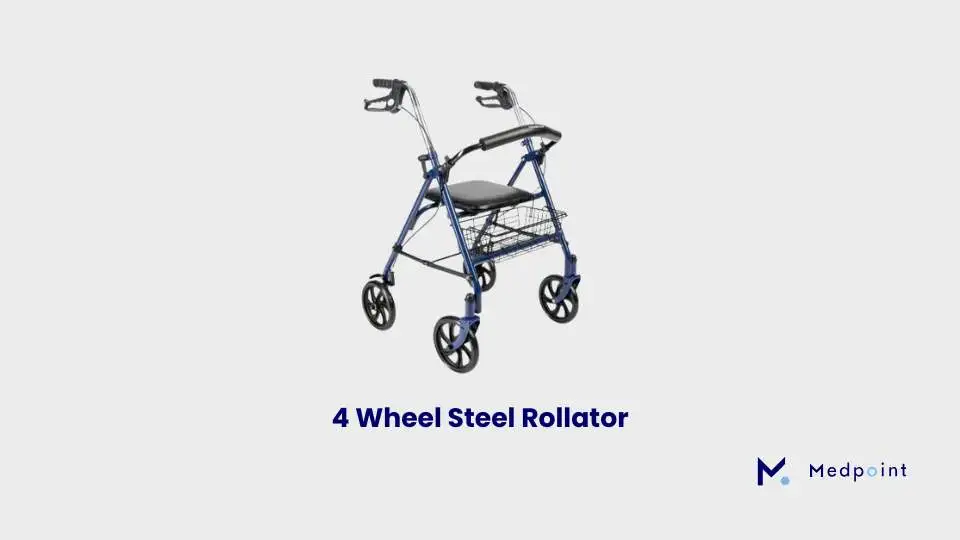
A bulky frame that’s hard to fold can be a nightmare, especially if you rely on taxis or lifts from family. You need something that folds simply and stays compact.
The 4 Wheel Steel Rollator is a solid everyday option. It folds flat, stores away quickly and still has a seat when needed. For anyone who’s in and out of the car regularly, it’s a smart and simple choice.
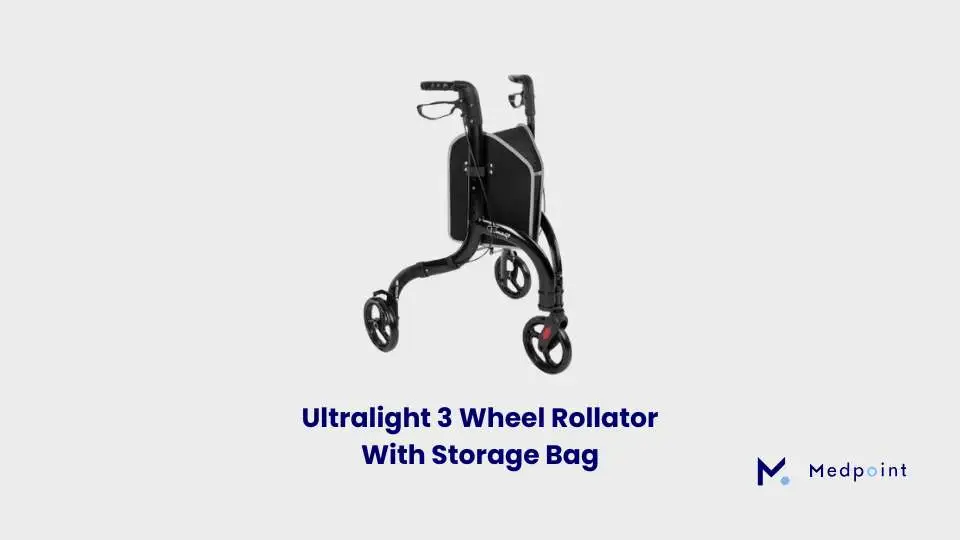
It’s the small things – bringing your medication, wallet or a snack. If you’re out for a walk and suddenly feel unsteady or tired, you don’t want to have to dig through a handbag.
That’s why the Ultralight 3 Wheel Rollator With Storage Bag is such a handy solution. It’s ideal for someone who mainly needs light support, moves confidently but tires occasionally, and wants their hands free.
Here are a few examples of how a good rollator choice makes daily life easier:
It’s not just about walking. It’s about living
Learn more about rollators with our complete guide.
Absolutely. At our mobility shop in Dublin, we’ve helped hundreds of people with Parkinson’s find a rollator that brings real comfort back into their daily routine. The right rollator doesn’t feel like a medical device – it feels like a part of your day that lets you do more, with less worry.
We’ve had customers come in nervous and unsure, and leave walking straighter, feeling steadier and far more confident. That’s not just down to the product – it’s about matching the right rollator to the person.
And it’s something we take seriously.
See how rollators support seniors with day-to-day tasks.

It’s not just the rollator itself. You might also consider other helpful products like:
Choosing a rollator isn’t just about ticking boxes – it’s about matching it to your lifestyle, symptoms, and where you walk most. Parkinson’s affects people in different ways, and your needs might change over time.
Whether you’re looking for something simple and lightweight, or a robust outdoor companion with room to rest, there’s a rollator that will suit you perfectly.
Pop into our shop in Dublin or give us a ring – we’re always happy to chat, offer advice, and help you find the right fit.
Because the right rollator isn’t just equipment – it’s confidence, safety, and independence.
Supporting Information: World’s Health Organisation
Not always, but it’s often a good idea. Even if you don’t use it daily, having a seat for unexpected fatigue or freezing episodes gives peace of mind.
It can be for those in early stages of Parkinson’s with good balance. But for those who wobble or freeze often, a 4-wheel model is more stable and usually safer.
Yes – but make sure it fits through doorways and isn’t too wide for tight hallways. Some outdoor rollators might feel bulky in a small home.
Your elbows should bend slightly when holding the handles while standing tall. If your shoulders feel hunched or your arms are too stretched, they need adjusting.
If you’re tripping, struggling to fold it, or it feels uncomfortable or unsafe, it’s worth reassessing. Sometimes, changing models or features makes a big difference.

Neil is the owner of Medpoint, a trusted supplier of physiotherapy and mobility products in Dublin, Ireland. With many years of hands-on experience in the healthcare and mobility sector, he has helped countless customers find the right solutions for comfort, fitness, recovery, and independence. Passionate about quality and care, he is dedicated to offering expert advice and reliable products that make everyday life easier.

Getting an electric wheelchair is just the beginning of your mobility journey. The real difference in your daily life comes from...

When mobility becomes a challenge, simple daily routines like using the toilet can turn into a major source of stress. That’s where...
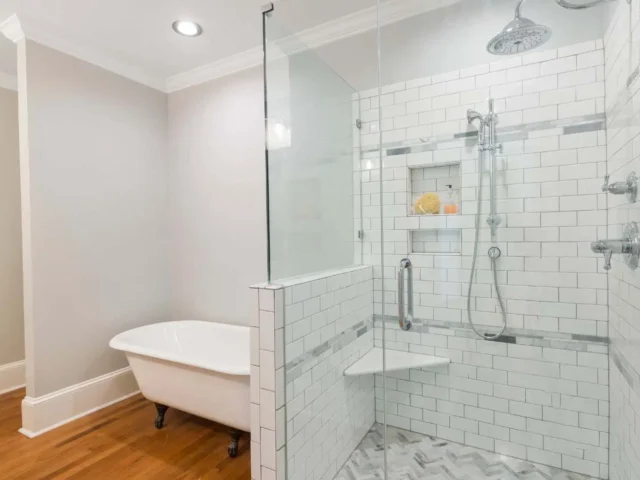
Slipping in the shower is one of the most common causes of falls at home, especially for older adults or people with...