
-
Phone Orders
01 – 9010395

- Physio Supplies
- Mobility Aids
- Wheelchairs
- Incontinence Aids
- Exercise & Rehab
- Injury Treatment
- Contact Us

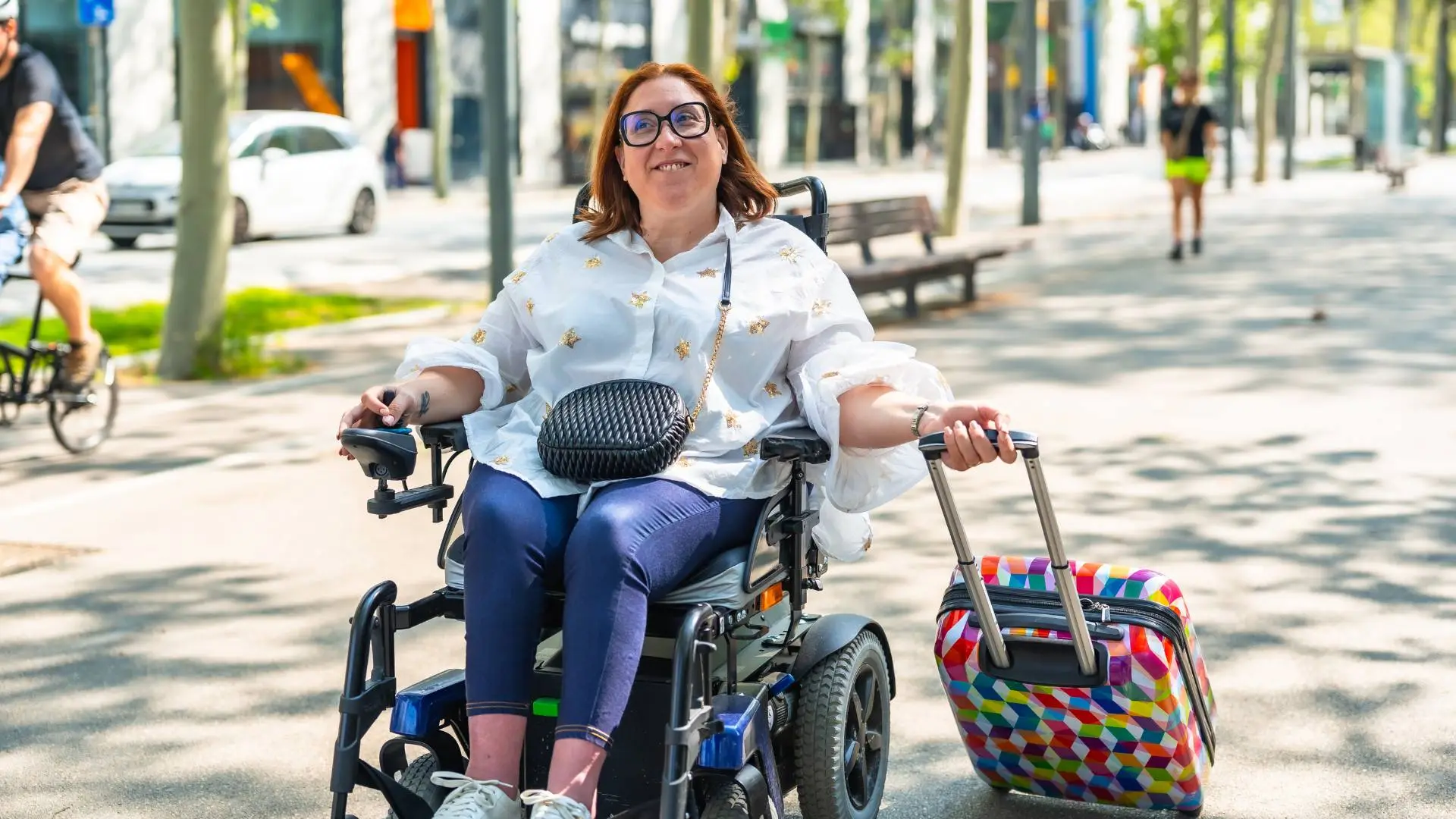
Getting an electric wheelchair is just the beginning of your mobility journey. The real difference in your daily life comes from how well it’s customised to match your specific needs, body dimensions, and lifestyle. Many people don’t realise that proper customisation can dramatically improve their comfort, reduce pain, and extend the lifespan of their mobility equipment.
Whether you’ve just purchased your first electric chair or you’re looking to upgrade your current setup, understanding the full range of customisation options available will help you make informed decisions that enhance your independence and quality of life for years to come.
Proper customisation directly affects your physical health, safety, and how long your electric chair will serve you effectively. When a powered wheelchair fits correctly, it prevents pressure sores, reduces muscle strain, and supports proper posture throughout the day.
Health Benefits:
Practical Advantages:
Think about it this way – you wouldn’t wear someone else’s prescription glasses just because they have lenses. Your electric chair deserves the same level of personalisation to match your unique requirements.
Before making any modifications, you need to assess your current physical needs, anticipate future changes, and understand how you actually use your chair daily. Start by tracking which activities cause discomfort, where you feel unstable, and what tasks you struggle to complete independently.
Key Considerations:
As mobility aids specialists in Ireland, we’ve seen countless customers benefit from choosing adaptable features that grow with their changing needs rather than requiring complete equipment replacement. Budget plays a role too, but remember that investing in proper customisation upfront often saves money on medical treatments, repairs, and premature equipment replacement later.

Your cushion selection should match your risk level for pressure sores, how many hours you spend seated, and your specific pressure distribution needs. The cushion cover material matters as much as the cushion itself, whilst your backrest and armrests play equally important roles in overall comfort.
Cushion Types:
Backrest Options:
Armrest Features:
Don’t overlook these components – they work together to create a comfortable, supportive seating system that you can use all day without discomfort.
Shop Electric Wheelchairs in Ireland with Medpoint
Understanding which style of electric chair works best for specific scenarios helps you choose appropriate customisations. Each design offers distinct advantages depending on where and how you’ll use it most.
Portable Options:
Drive System Choices:
Specialised Models:
Match your chair type to your primary environment, then customise from there for optimal performance.

The standard joystick works well for many users, but it’s far from your only option. Joystick positioning should match your strongest, most controlled movement, and sensitivity adjustments can make all the difference in usability.
Control Positioning:
Sensitivity Adjustments:
Alternative Control Methods:
Programmable Features:
These customisations ensure you maintain maximum independence whilst operating your chair safely and comfortably.
Safety customisations protect you from accidents whilst giving you confidence to navigate various environments. Start with essential features, then add others based on your specific needs and usage patterns.
Visibility Enhancements:
Stability Features:
Restraint Systems:
Speed and Terrain Management:
Enhanced suspension systems particularly benefit users with pain conditions, spinal injuries, or anyone who regularly navigates poor surfaces.

All-terrain tyres and weather protection transform how confidently you can use your chair outside. In Ireland’s wet climate, these customisations aren’t luxuries – they’re practical necessities for reliable year-round mobility.
Tyre Options:
Weather Protection:
Battery Upgrades:
Electronics Protection:
These modifications ensure your chair performs reliably regardless of weather conditions.
Mounting bags and pouches in accessible locations keeps essentials within reach without affecting your chair’s stability. Smart storage solutions and transportation options enhance your independence for daily activities and longer journeys.
Storage Solutions:
Transportation Options:
Consider how you’ll transport your chair most often, then customise accordingly. Quick-release systems and lightweight components make a huge difference if you’re loading and unloading frequently.
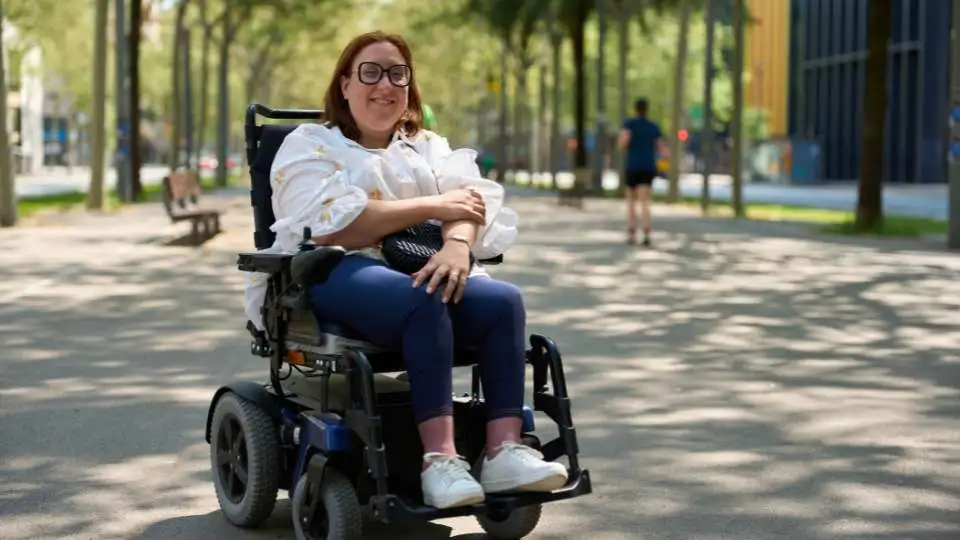
Independence-focused customisations help you complete tasks without assistance, improving your quality of life and confidence. These features range from simple reaching aids to sophisticated standing systems.
Reaching and Positioning:
Standing Features:
Position Adjustment Systems:
Technology Integration:
These customisations transform your chair from a mobility device into a tool for complete independence.
Comfort features reduce fatigue and prevent pain during extended use. Small additions can dramatically improve how you feel at the end of each day.
Climate Control:
Vibration Management:
Adjustable Support:
These seemingly minor additions make hours of difference in your daily comfort and energy levels.
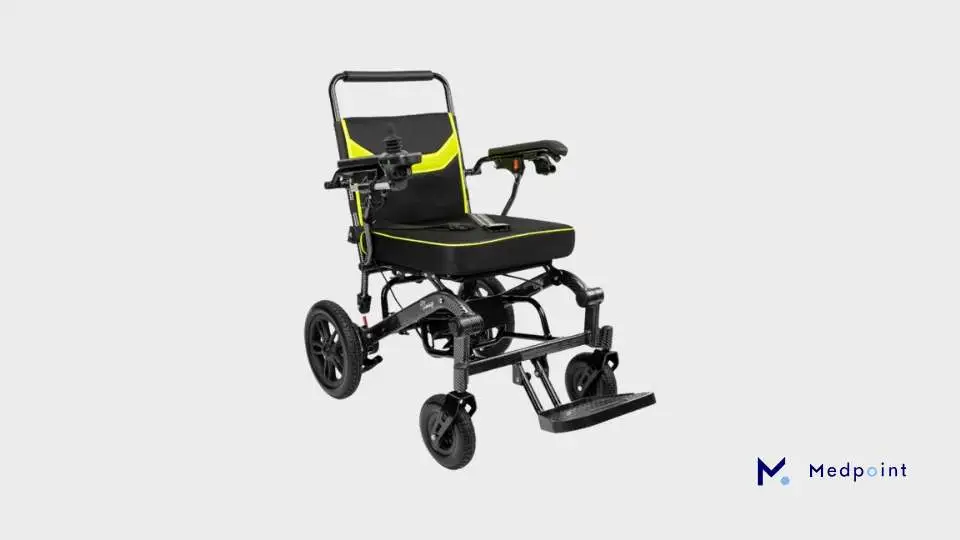
Regular maintenance keeps your customisations working properly and extends their lifespan. Create a simple inspection routine and stick to it – preventive care is always cheaper than emergency repairs.
Monthly Checks:
Replacement Schedule:
Professional Servicing:
Documentation:
Keep removable customisations clean and stored properly when not in use. Simple care prevents premature wear and keeps everything functioning smoothly.
Learning from others’ mistakes saves you time, money, and frustration. These common errors are easy to avoid once you’re aware of them.
Weight Distribution Errors:
Flexibility Mistakes:
Professional Assessment:
Timing Errors:
Weather Protection:
Avoiding these mistakes protects your investment and ensures optimal performance from your customised chair.

Understanding typical costs helps you budget appropriately and prioritise which customisations to tackle first. Many modifications qualify for funding assistance, so investigate available support before paying full price.
Basic Comfort (€100-€500):
Moderate Customisations (€500-€2,000):
Advanced Modifications (€2,000+):
Financial Assistance Options:
Many modifications maintain or increase your chair’s resale value, particularly those making it more versatile or easier to use. View customisation as an investment in both your quality of life and the equipment’s long-term value.
Customising your electric chair isn’t about making it perfect – it’s about making it perfectly suited to your needs. Start with the basics like proper seating and essential safety features, then build from there as your budget allows and your needs evolve.
The right customisations transform your wheelchair from a mobility device into a tool that supports your independence, comfort, and confidence. Don’t settle for “good enough” when thoughtful modifications can dramatically improve your daily experience. Work with experienced professionals who understand both the technical aspects and the real-world impact of each customisation choice.
Remember that your needs will likely change over time, so choose adjustable options when possible and reassess regularly. Your investment in proper customisation pays dividends in comfort, health, and equipment longevity – making it one of the most valuable decisions you can make for your mobility and quality of life.
Here’s an interesting read: The pros and cons of manual vs electric wheelchair.
Modular electric chairs designed with customisation in mind offer more flexibility than basic models. Higher-end chairs typically include more mounting points, adjustable components, and compatible accessory systems. However, most electric chairs accept at least basic customisations like upgraded cushions, bags, and weather protection. If extensive customisation is likely, choosing a model known for adaptability makes sense from the start.
Formal reassessment every 12-18 months helps catch gradual changes you might not notice day-to-day. Additionally, reassess immediately after any change in your physical condition, living situation, or daily activities. Minor adjustments should happen whenever something feels uncomfortable – don’t wait for scheduled reviews to address obvious problems.
Manufacturer-approved accessories and professional installations typically don’t void warranties, but unauthorised modifications or DIY installations might. Always check your warranty terms and discuss modifications with your supplier before proceeding. Most insurance policies cover medically necessary customisations, especially when prescribed or recommended by healthcare professionals.
Many accessories like bags, cushions, and control systems can transfer to new equipment if they’re compatible. However, chairs vary significantly in mounting systems and dimensions, so not everything will fit. When selecting customisations, ask about transferability if you anticipate needing a different chair within a few years. Keep removable items in good condition to maximise reuse potential.
Proper seating and cushioning should always come first since they directly affect your health, comfort, and ability to use your chair safely for extended periods. Get this right before investing in convenience features or accessories. Once your positioning is correct, prioritise customisations that address your most significant daily challenges or safety concerns.

Neil is the owner of Medpoint, a trusted supplier of physiotherapy and mobility products in Dublin, Ireland. With many years of hands-on experience in the healthcare and mobility sector, he has helped countless customers find the right solutions for comfort, fitness, recovery, and independence. Passionate about quality and care, he is dedicated to offering expert advice and reliable products that make everyday life easier.

Choosing a wheelchair is not a box-ticking exercise. It is about comfort, confidence, independence and finding something that genuinely works for your...

When mobility becomes a challenge, simple daily routines like using the toilet can turn into a major source of stress. That’s where...
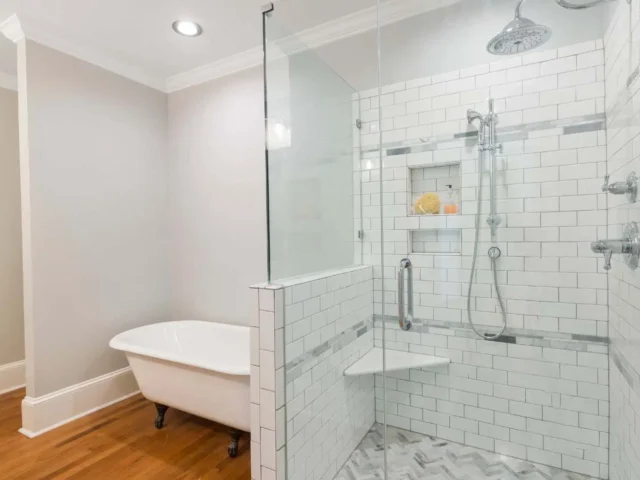
Slipping in the shower is one of the most common causes of falls at home, especially for older adults or people with...