
-
Phone Orders
01 – 9010395

- Physio Supplies
- Mobility Aids
- Wheelchairs
- Incontinence Aids
- Exercise & Rehab
- Injury Treatment
- Contact Us
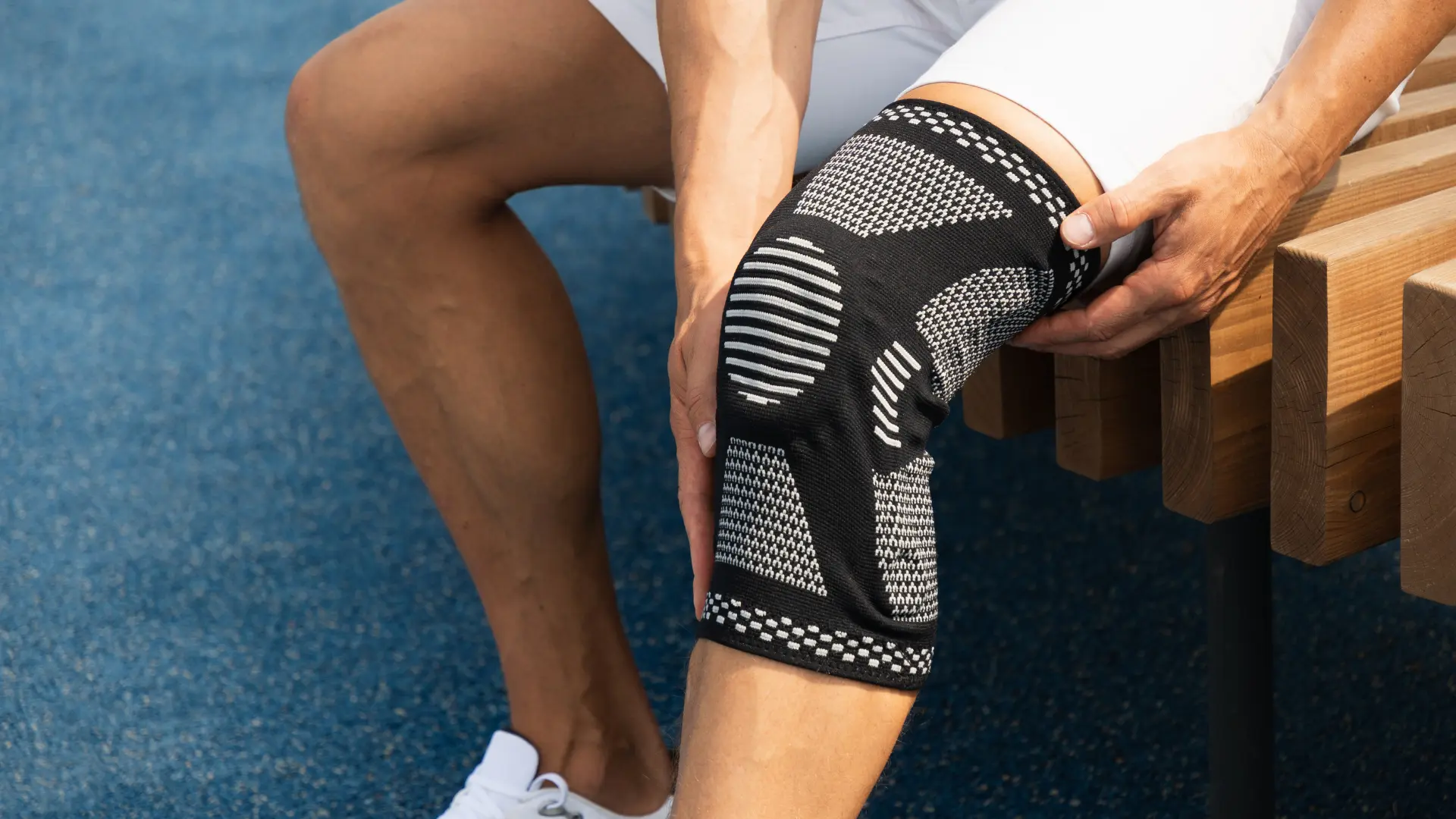
Knee pain is something most of us will experience at some point—whether from a sports injury, wear and tear, or just too much walking on hard pavements. It can be annoying, limiting, and sometimes even debilitating. That’s where the knee support comes in.
Yes, knee supports do work. They help by stabilising the knee joint, reducing pain, and providing compression to manage swelling and inflammation. Whether you’re recovering from a minor strain or dealing with ongoing issues like arthritis, the right knee support can improve mobility, protect the joint from further injury, and support the healing process.
Many of our customers at Medpoint find that wearing a knee support gives them the confidence to move without fear of aggravating an existing injury.
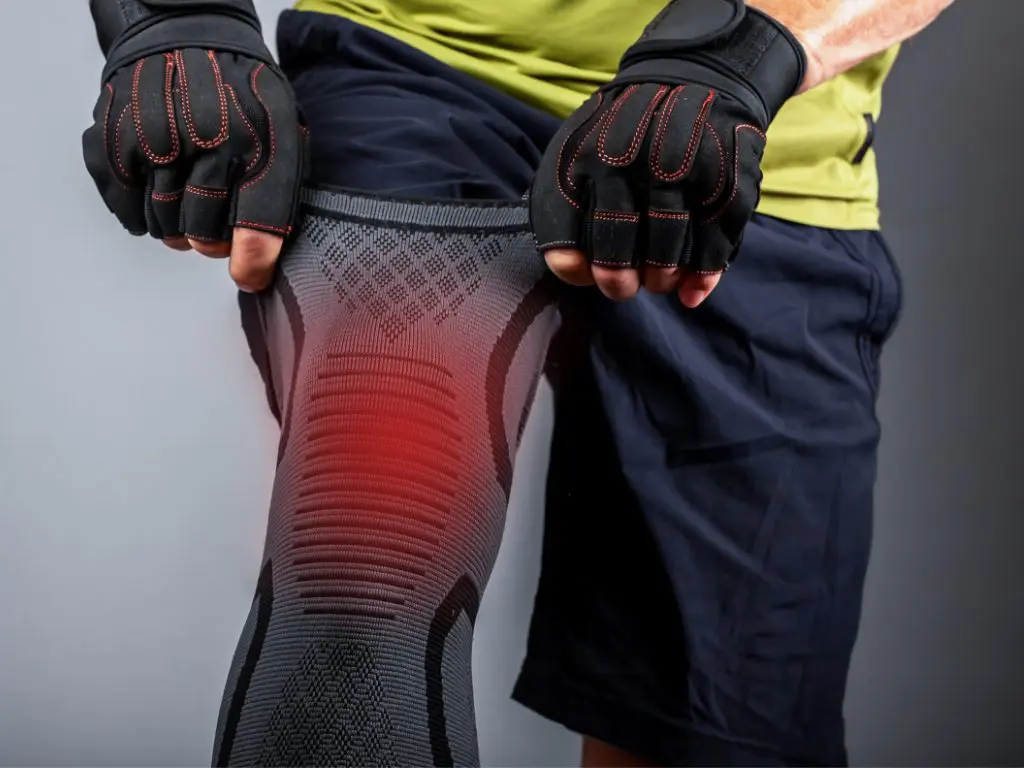
Think of a knee support like scaffolding for your joint. When your muscles, ligaments or tendons are under strain, the support helps reduce excess movement and pressure on the area. This can reduce pain, prevent further injury, and make daily tasks more manageable.
Depending on the type you choose, they may:
Not all knee supports are created equal, and choosing the right type matters.
Ideal for mild support during everyday activities or sports. They provide compression and warmth, but don’t offer much structural support.
These relieve pressure on the kneecap while still offering compression and mild stabilisation.
These distribute pressure evenly across the knee, useful for conditions involving generalised pain or instability.
Best suited for moderate to severe conditions or post-injury recovery. They prevent lateral movement and keep the joint aligned.
Learn how to prevent knee pain effectively.
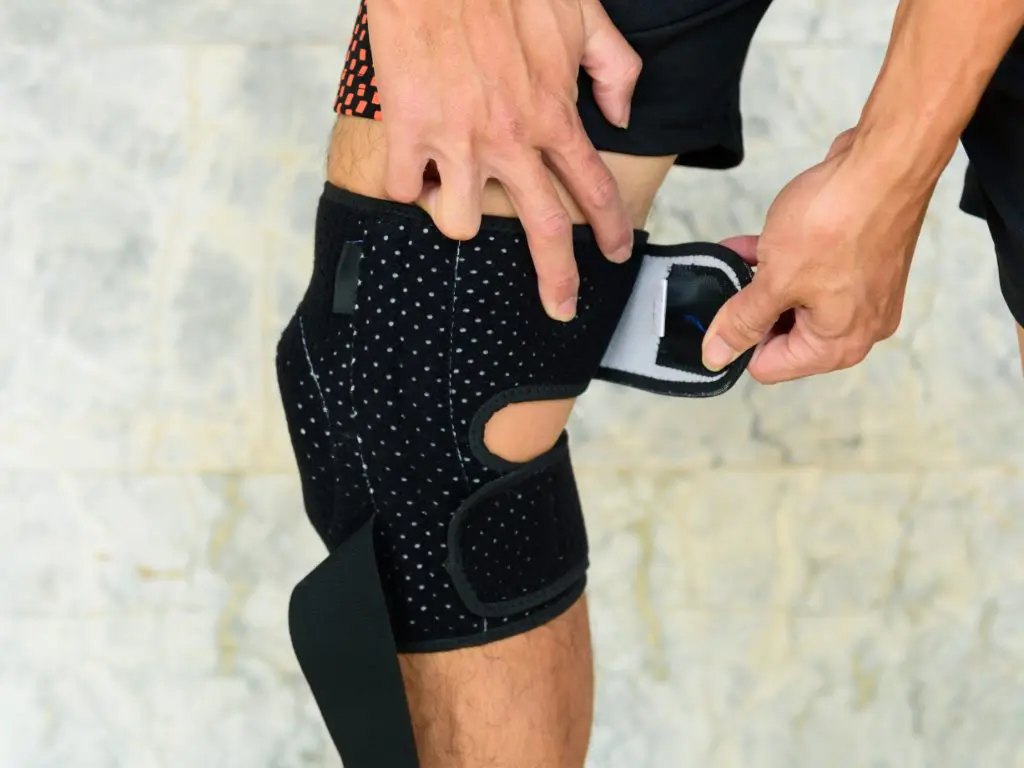
There are a lot of factors to consider and we’ve outlined that in our Knee braces 101 guide. Here’s what to mainly consider:
Measure your knee properly. A support that’s too tight will restrict circulation. Too loose? It won’t offer the stability you need.
Are you walking to work, going for a run, or just trying to get through a work shift on your feet all day? Tailor the support to your lifestyle. Find out if you should wear knee support while running.
Supports aren’t always meant to be worn long-term. In fact, relying on them too much without strengthening your muscles can backfire. Talk to a physio if unsure.
Wearing a knee support sounds straightforward, but here’s how to get the most out of it:
Even the best knee support won’t work if you’re using it incorrectly:
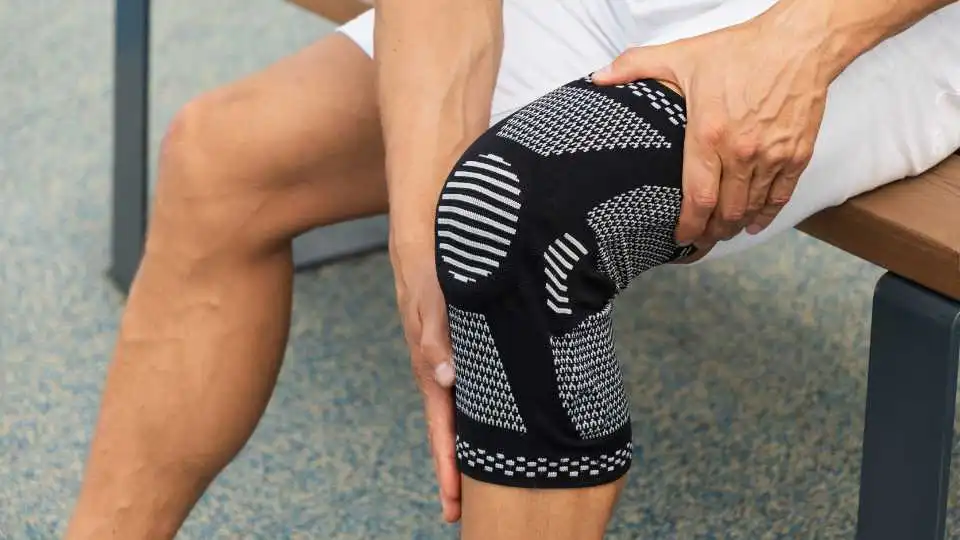
Do you sleep with a knee brace on? Only if prescribed by a doctor.
A knee support works best as part of a bigger plan. Here are a few complementary tools we recommend:
As a physio supplies store in Ireland, we’ve helped thousands of customers find the right solutions for their mobility and recovery needs. Our products are carefully selected with physiotherapy expertise behind every choice. Whether you’re recovering from injury or managing long-term discomfort, we’re here to support you with advice, quality gear, and customer-first care.
Knee supports do work—but only if you’re using the right one, in the right way, at the right time. They can help you move more freely, recover faster, and reduce pain, but they’re most effective when used alongside strength, mobility, and proper care.
At Medpoint, we’re not just selling products—we’re here to help you move better, live better, and stay active on your own terms. Explore our full range of [knee support] products and let’s find the one that fits your life best.
You can, but it’s best to wear it during times of activity or discomfort. Long-term daily use should be discussed with a professional.
Usually not, unless you’ve been told to by a doctor or physio. Supports can restrict blood flow during sleep.
Sleeves offer compression and warmth. Braces give structural support and limit joint movement—better for more serious issues.
Not on its own. It’s a tool that helps with pain management and healing, but exercises and proper care are just as important.
Absolutely. Many people use knee support for walking to reduce strain and keep pain at bay during hikes or city strolls.

Neil is the owner of Medpoint, a trusted supplier of physiotherapy and mobility products in Dublin, Ireland. With many years of hands-on experience in the healthcare and mobility sector, he has helped countless customers find the right solutions for comfort, fitness, recovery, and independence. Passionate about quality and care, he is dedicated to offering expert advice and reliable products that make everyday life easier.

Nutrition and hydration play a vital role in how GAA players train, perform, recover and stay injury-free throughout the season. In a...

Arm injuries can quickly disrupt your daily routine, from getting dressed in the morning to completing a day’s work. Even a small...

Recovering from hip or knee replacement surgery is a gradual process that depends on steady movement, balance, and confidence. One of the...