
-
Phone Orders
01 – 9010395

- Physio Supplies
- Mobility Aids
- Wheelchairs
- Incontinence Aids
- Exercise & Rehab
- Injury Treatment
- Contact Us

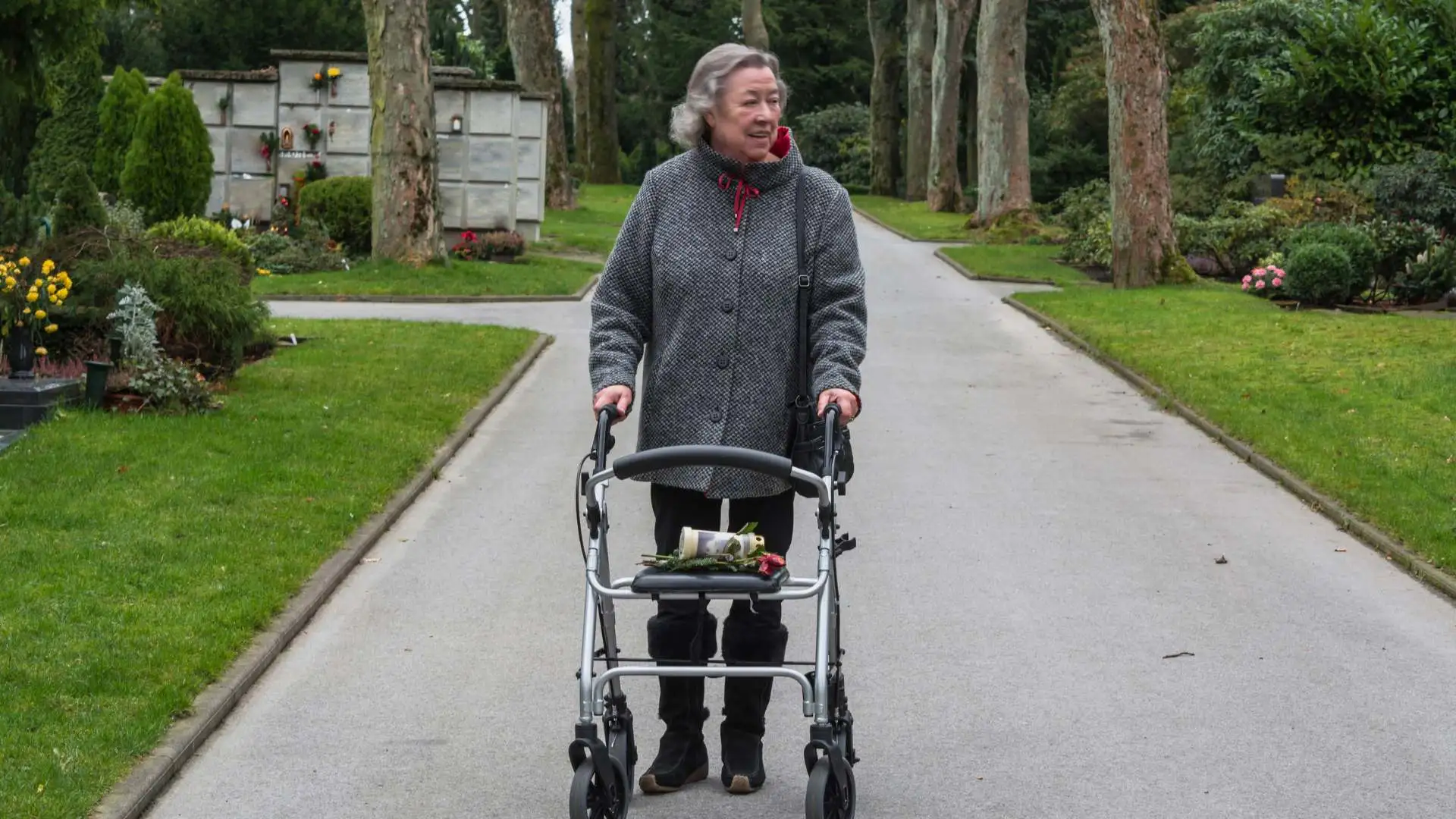
As Ireland’s population gets older and more people look for ways to stay active, safe and independent, demand for mobility aids like rollators is steadily increasing. Whether you’re recovering from surgery, managing a long-term condition, or simply finding walking more difficult, a rollator can offer much-needed support.
The good news is that there are two main routes to getting one: applying for a free rollator through the HSE or purchasing one privately. In this guide, we’ll explain who qualifies, how to apply, and what to consider when choosing between public and private options.
The Health Service Executive (HSE) offers mobility aid support through local community health services. Rollators are included under walking aids, but they aren’t handed out on request – they’re provided based on clinical need, which is determined by a qualified healthcare professional.
While this route can offer full funding, it isn’t automatic. The HSE prioritises people who need mobility support in day-to-day life and are living at home. If you only need a rollator temporarily or for peace of mind when travelling, this might not be the right path.
Rollators available through the HSE are often basic models, and depending on stock availability, may be refurbished units that have been serviced for reuse. While reliable, they may not suit everyone’s preferences or lifestyle.
You may be eligible for a free rollator through the HSE if:
It’s not just about having a diagnosis – the deciding factor is how your condition affects your daily mobility. For instance, someone with osteoarthritis who experiences regular joint stiffness may be recommended a four wheel rollator walker to reduce fall risk and improve confidence while moving around the house.
Most people begin the process by speaking with their GP, public health nurse, or an Occupational Therapist. If you are already attending hospital clinics, a physiotherapist there can also assess your needs and begin the referral.
This first step involves a brief review of your current mobility, living situation, and any recent falls or injuries. If it seems that a walking aid could help, a referral will be made for a mobility assessment, which is the next stage of the process.
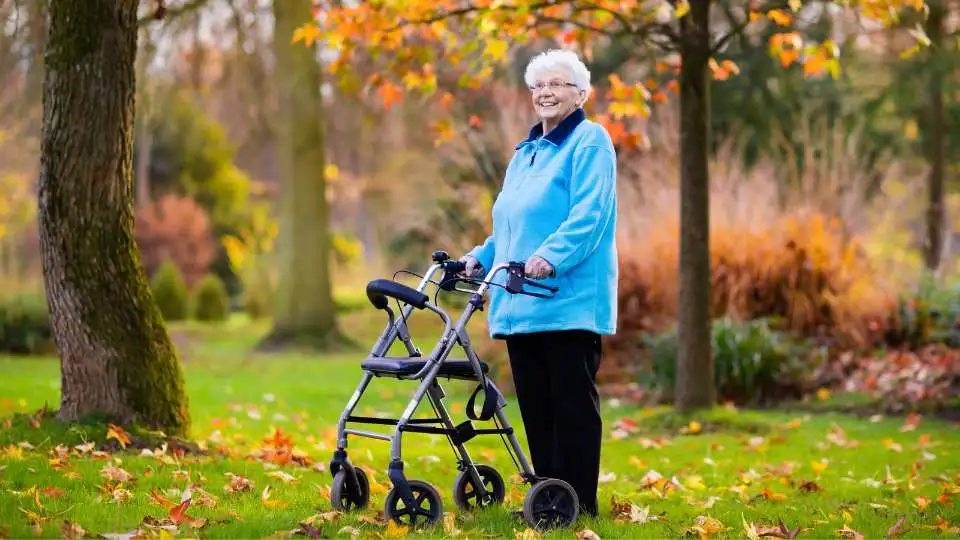
The HSE process typically involves three key steps:
Your GP, public health nurse, or therapist sends a referral to the local HSE health office, recommending that your mobility be formally assessed. The referral includes:
A mobility assessment is carried out by a qualified OT or physiotherapist. They’ll visit your home or assess you in a clinic setting. During this visit, they’ll consider:
They’ll then recommend a suitable aid. If a rollator is best, they’ll advise whether an indoor rollator or more robust outdoor rollator is appropriate. In some cases, a 3 wheel rollator might be suggested for tighter spaces or ease of folding.
If approved, the HSE will provide a rollator either from stock or via an external supplier contracted by the service. In many cases, this is a basic unit without add-ons or colour options. Some may be refurbished and checked for safety.
You won’t typically get to choose the exact model, but the aim is to provide something that suits your basic needs.
Waiting times are one of the biggest hurdles. Depending on your local area, it can take from several weeks to a few months to complete the entire process – especially if assessments are delayed due to staffing shortages or high demand.
We often meet customers who’ve been approved for a rollator but are still waiting weeks to receive it. In these cases, many turn to a private purchase as a short-term solution.
At Medpoint, a mobility shop in Dublin, Ireland, we regularly help customers who are in-between steps – whether they’re waiting for approval, in recovery from surgery, or have had a recent fall and need something immediately.
Shop Rollators in Ireland – Find 3 and 4 wheel options to suit yours or your loved ones lifestyle.
While the public system works for many people, it’s not always the best fit – especially if you:
In these cases, a private purchase gives you more control. You can test different types, find the best fit, and walk out with the product the same day.
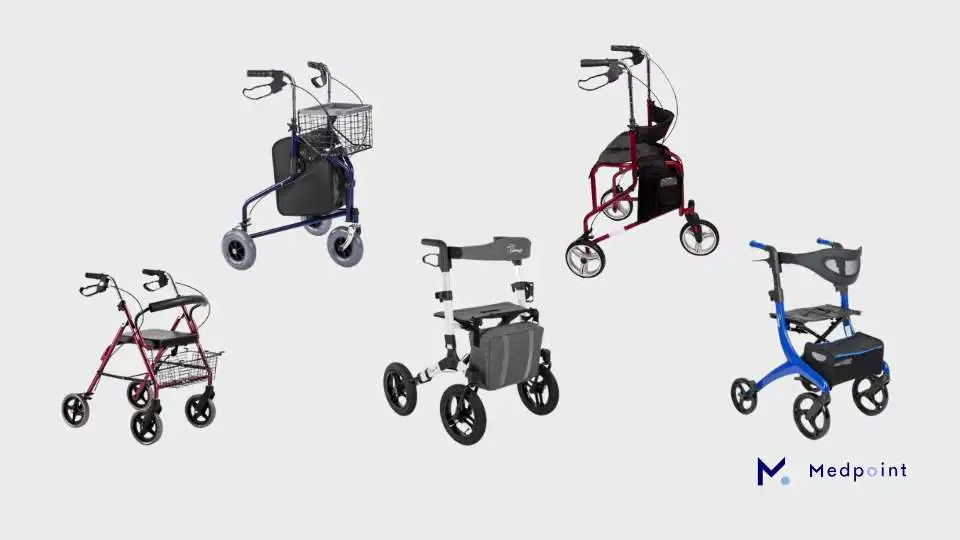
We often recommend that people try models in person if they’re unsure. For example, a tri wheel rollator is great if you need something compact and easy to fold, but someone who needs to stop and rest frequently would be better suited to a 4 wheel rollator walker with a seat.
If you decide to buy privately, there are a few ways to reduce the cost:
If you’re buying the rollator for personal use and you have a qualifying condition, you can reclaim the VAT. Most mobility aids, including rollators, are eligible under the VAT 61A scheme.
The process involves submitting a form to Revenue – at Medpoint, we can guide you through this and help you fill it out correctly.
In some cases, even if you’ve purchased privately, your local HSE office may offer partial reimbursement. This depends on funding, eligibility, and clinical recommendation, so it’s best to contact your local health office directly.
There are local councils and charities that offer mobility aid grants or support for older people. These aren’t guaranteed, but it’s worth checking with Age Action Ireland, your local Citizens Information Centre, or community health team.
Not all rollators are created equal — and what works for one person might not work for another. Here’s a quick guide:
When in doubt, try before you buy. Our team at Medpoint can guide you through options and help you test models that suit your size, strength, and mobility level.
In Ireland, rollators are available through both public and private routes. If you qualify, the HSE can supply one free of charge – but it may take time, and you might not have much say in the model.
If you’re not eligible, don’t want to wait, or would prefer a lightweight or stylish option, private purchase offers a faster, more flexible solution.
At Medpoint, we’ve supported thousands of customers with tailored advice, proper fittings, and ongoing support. Whether you need a basic indoor model or a feature-rich outdoor rollator, our expert team is here to help.
Yes – in most cases, a medical card is required to qualify for free rollators through the HSE. Other funding options may be available in exceptional cases.
Depending on your county and urgency, it could take a few weeks to several months. Delays often come from waiting for an assessment or stock availability.
Yes. You may be eligible for VAT relief and in some cases, partial reimbursement. Charities or local grants may also help, depending on your situation.
A four wheel rollator walker or outdoor rollator with large wheels, brakes, and a seat is usually best for uneven paths, long walks, and shopping trips.
Absolutely. Many people with balance issues, joint stiffness, or freezing episodes benefit from rollators. A proper assessment will ensure you get the right model for your condition.

Neil is the owner of Medpoint, a trusted supplier of physiotherapy and mobility products in Dublin, Ireland. With many years of hands-on experience in the healthcare and mobility sector, he has helped countless customers find the right solutions for comfort, fitness, recovery, and independence. Passionate about quality and care, he is dedicated to offering expert advice and reliable products that make everyday life easier.

Getting an electric wheelchair is just the beginning of your mobility journey. The real difference in your daily life comes from...

When mobility becomes a challenge, simple daily routines like using the toilet can turn into a major source of stress. That’s where...
Slipping in the shower is one of the most common causes of falls at home, especially for older adults or people with...