
-
Phone Orders
01 – 9010395

- Physio Supplies
- Mobility Aids
- Wheelchairs
- Incontinence Aids
- Exercise & Rehab
- Injury Treatment
- Contact Us


Rollator walkers are mobility aids designed to provide stability, support, and comfort for individuals with limited mobility. Whether you’re recovering from surgery, dealing with chronic conditions, or simply need a little extra help with walking, a rollator can be a valuable tool to help regain independence. But what exactly is a rollator walker, and how do you use one effectively?
In this guide, we’ll explore everything you need to know about rollators, including their features, benefits, how to use them, and who should avoid them.
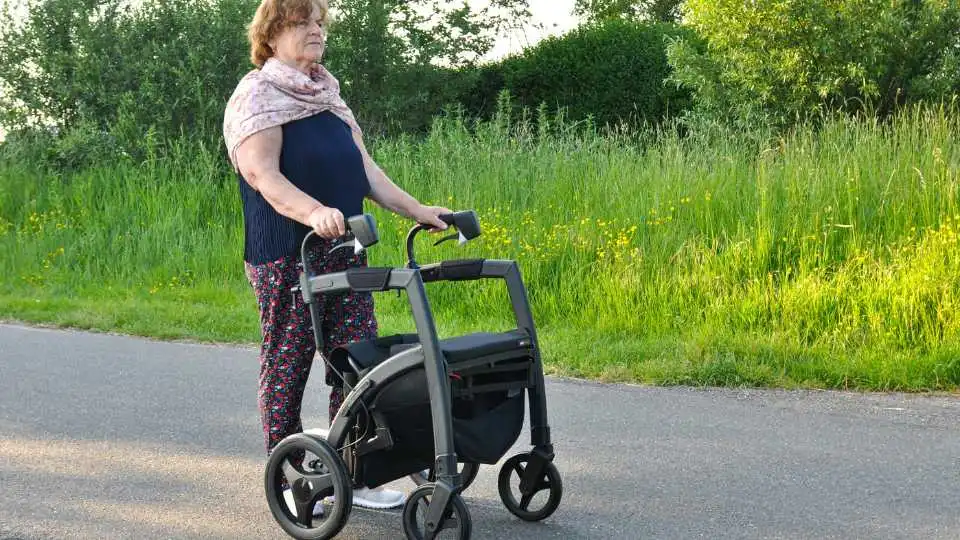
A rollator walker is a type of walking aid that typically features three or four wheels, hand brakes, and a built-in seat. Unlike traditional walkers with only four legs, rollators provide greater mobility and flexibility. This design allows users to move more easily, especially when navigating uneven surfaces, indoor environments, or outdoor settings. The hand brakes offer additional control, allowing the user to slow down or stop whenever necessary.
One of the standout features of rollators is the seat. Unlike many other walking aids, such as Zimmer frames, rollators come with a comfortable seat, offering users a place to rest when needed. This feature makes them especially beneficial for individuals who may tire quickly, providing them with an opportunity to take breaks without having to search for a bench or sitting spot. Check the green 4-wheel rollator with a seat to see how a rollator with a seat looks.

Using a rollator is fairly straightforward, but there are a few tips that can help ensure you’re getting the most out of it:
Before using your rollator, make sure the height is adjusted to your comfort. When standing upright, your elbows should be slightly bent at about a 15-degree angle when gripping the handles. This ensures a natural and comfortable walking posture.
To control your speed, use the hand brakes. To slow down or stop, gently squeeze the brakes. For added safety, always engage the brakes when sitting on the rollator to prevent it from rolling away.
Rollators are designed to make walking easier, but it’s essential to walk at a pace that suits you. Avoid rushing, and take your time. If you need a break, simply sit down on the seat for a rest.
If you feel fatigued or need a break during your walk, take advantage of the built-in seat. It’s an easy and convenient way to rest without having to search for a nearby bench or resting spot.
Although rollators are generally easy to use, they can sometimes be challenging to maneuver over certain obstacles, like thresholds, curbs, or uneven ground. To navigate these obstacles, tilt the rollator slightly, or if possible, push it over slowly, taking care not to damage the wheels.

Rollator walkers are more than just walking aids; they offer a wide range of benefits that can improve your overall quality of life. Here’s why you might want to consider one:
One of the primary reasons people use rollators is to regain mobility. Rollators make it easier to walk long distances without the need to rely on others for support. This increased mobility can boost confidence and encourage a more active lifestyle.
With their four wheels and hand brakes, rollators provide stability that reduces the risk of falling. Many users find that they can walk more securely with a rollator than with a standard walking stick or Zimmer frame.
The built-in seat is a significant advantage for people who may tire quickly. It provides a chance to rest without needing to find a bench or chair. Some models even include storage bag like our ultralight rollator with a storage bag, offering a convenient way to carry personal belongings.
The adjustable height feature ensures that users can maintain good posture while walking. This is particularly beneficial for individuals with back pain or those recovering from surgery, as proper posture helps reduce strain on the body.
See our rollator buyer’s guide for 2025 to help you make an informed decision when purchasing this walking aid.
Individuals who have limited upper body strength may find it difficult to use the brakes or push the rollator effectively. If you lack the strength to control the device, a wheelchair may be a better option. Additionally, if you suffer from conditions that affect balance or coordination, such as advanced Parkinson’s disease, a rollator might not offer enough support, and a different walking aid might be necessary.
While rollators can provide independence and improve mobility, they are not for everyone. It’s important to consult with a healthcare professional to determine the best mobility aid based on your specific needs. An Irish mobility shop, like Medpoint, can help guide you in choosing the right device, ensuring you get the most out of your walking aid.
Here’s a helpful guide for seniors on how to use a rollator for fall prevention.
There are many types of mobility aids available, and choosing the right one can be a bit overwhelming. Here’s a quick comparison:
If you’re looking for free options, check the HSE process on how to apply for a rollator walker.
Rollators are designed for smooth surfaces but can handle some uneven terrain. However, if you plan to use it outdoors on rough or gravelly paths, ensure that your rollator has large wheels and sturdy construction for better stability.
The right rollator size depends on your height. The handles should be at elbow height when you’re standing upright. If you’re unsure, consult with a specialist in a mobility shop in Ireland, who can help you select the right size.
Yes, rollators are safe for indoor use, and their wheels make it easier to move around your home. Just make sure the floors are not too slippery, and check that the rollator’s wheels are in good condition.
Regular maintenance is important to ensure that your rollator remains in good working condition. Check the brakes, wheels, and seat regularly for any signs of wear or damage. Make sure the frame is clean and rust-free.
If you require more support than a walking stick provides, a rollator is a better option. A rollator gives you greater stability, a seat for resting, and additional features like a storage basket.

Neil is the owner of Medpoint, a trusted supplier of physiotherapy and mobility products in Dublin, Ireland. With many years of hands-on experience in the healthcare and mobility sector, he has helped countless customers find the right solutions for comfort, fitness, recovery, and independence. Passionate about quality and care, he is dedicated to offering expert advice and reliable products that make everyday life easier.

Getting an electric wheelchair is just the beginning of your mobility journey. The real difference in your daily life comes from...

When mobility becomes a challenge, simple daily routines like using the toilet can turn into a major source of stress. That’s where...

Slipping in the shower is one of the most common causes of falls at home, especially for older adults or people with...