
-
Phone Orders
01 – 9010395

- Physio Supplies
- Mobility Aids
- Wheelchairs
- Incontinence Aids
- Exercise & Rehab
- Injury Treatment
- Contact Us


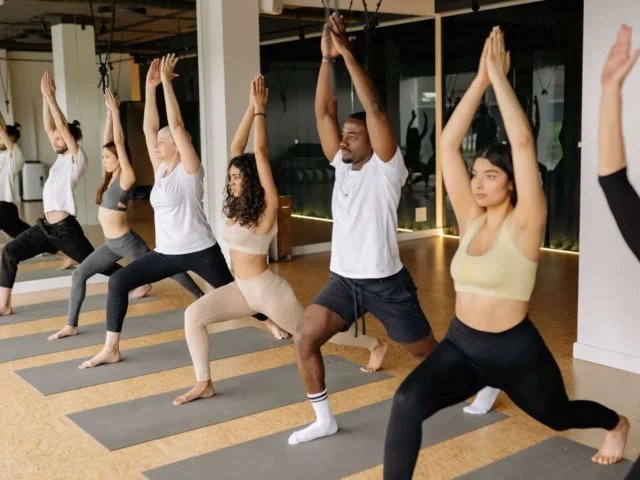
In an era dominated by desk jobs, technology, and sedentary habits, the importance of maintaining an active lifestyle cannot be overstated. Amid the demands of modern life, incorporating regular physical activity is crucial for overall health and well-being. Enter yoga—a transformative practice that goes beyond conventional exercise, offering a holistic approach to counter the effects of a sedentary lifestyle. Yoga can transform your sedentary lifestyle by improving circulation, reducing stress and increasing muscle strength.
The sedentary lifestyle, characterised by prolonged periods of sitting and minimal physical activity, has been linked to various health issues, including obesity, cardiovascular problems, and musculoskeletal issues. With many individuals spending extended hours at desks or in front of screens, the need for accessible and effective solutions to combat sedentary living is more pressing than ever.
1. Physical Rejuvenation: At its core, yoga is a physical practice that engages the entire body. The various asanas (poses) target different muscle groups, promoting flexibility, strength, and balance. Incorporating yoga into your routine provides a well-rounded physical workout that counteracts the stiffness and tension associated with prolonged sitting.
2. Mindful Movement: Yoga emphasises mindful movement, encouraging practitioners to be present in each pose and transition. This mindfulness not only enhances the effectiveness of the practice but also serves as a mental break from the stresses of sedentary work. The combination of physical activity and mindfulness contributes to improved focus and mental clarity.
3. Spinal Health: Sedentary lifestyles often contribute to poor posture and spinal issues. Yoga, with its focus on spinal alignment and extension, helps counteract the negative effects of prolonged sitting. Poses like Cobra, Cat-Cow, and Forward Fold contribute to spinal flexibility and overall back health.
One of the greatest advantages of yoga is its accessibility. Whether you’re in the office, at home, or traveling, all you need is an exercise mat and a small space to practice. The versatility of yoga makes it a practical solution for those with busy schedules or limited access to traditional exercise settings.
1. Desk Yoga: Integrate simple yoga stretches into your workday. Desk yoga exercises like seated twists, neck stretches, and seated forward folds can be performed discreetly, providing relief to areas affected by prolonged sitting.
2. Morning or Evening Sessions: Start or end your day with a short yoga session. Even a 15-minute routine can make a significant impact on your overall well-being. Focus on gentle stretches and deep breathing to invigorate your body and mind.
3. Online Resources: Explore the abundance of online yoga classes and tutorials. From beginner-friendly sessions to advanced practices, there’s a wealth of resources catering to various levels and preferences. Many platforms offer short sessions tailored for busy individuals.

In the realm of sedentary lifestyles, the toll isn’t solely physical; it extends to mental well-being. The constant demands of a desk-bound routine often contribute to heightened stress levels and diminished mental resilience. Yoga’s incorporation of mindfulness, meditation, and intentional breathwork provides a unique antidote to these challenges.
1. Stress Reduction: Yoga is renowned for its stress-relieving benefits. The practice of mindful breathing, or pranayama, calms the nervous system, reducing the production of stress hormones. The mindful, deliberate movements in yoga postures serve as a moving meditation, promoting relaxation and mental rejuvenation.
2. Improved Concentration: The marriage of breath and movement in yoga enhances cognitive function. The focus required to maintain poses cultivates concentration, contributing to improved attention spans and mental clarity. As a result, individuals find themselves better equipped to navigate the mental demands of sedentary work.
3. Emotional Balance: Yoga encourages practitioners to explore their emotions on the mat. Through intentional breath and meditative practices, individuals gain a greater understanding of their emotional landscape. This heightened awareness fosters emotional balance and resilience, crucial for navigating the ups and downs of daily life.
Beyond the solitary practice on the mat, yoga’s impact extends to interpersonal dynamics. The mindfulness cultivated in yoga translates to improved social and emotional intelligence, enhancing communication and empathy in professional and personal relationships.
While the transformative potential of yoga is vast, the key lies in consistency. Begin with short sessions, gradually increasing duration and intensity as you become more comfortable. Establishing a routine, whether it’s a brief morning flow or an evening unwind, ensures that the benefits of yoga become a consistent and integral part of your daily life.

While the physical benefits of yoga are undeniable, its transformative power extends beyond the body. Yoga nurtures a mind-body connection, fostering self-awareness, stress reduction, and an enhanced sense of well-being. As you embark on this transformative journey, embrace the potential of yoga to not only counteract the effects of a sedentary lifestyle but also to cultivate a more balanced, mindful, and active approach to life. Through consistent practice, you’ll find that yoga becomes not just an exercise routine but a holistic lifestyle that positively impacts every aspect of your well-being.
Check out our range of Yoga/ Pilates balls and other equipment today!
Yoga improves lifestyle by promoting physical health, mental clarity, and emotional balance. It reduces stress, enhances productivity, encourages mindfulness, and fosters better habits like regular exercise and conscious eating, leading to an overall healthier and more fulfilling life.
Yoga positively impacts lifestyle by improving posture, flexibility, and physical strength while reducing anxiety and enhancing focus. It instills discipline and mindfulness, which can influence other areas such as better time management, improved sleep patterns, and healthier dietary choices.
Yes, regular exercise, including yoga, can reverse the negative effects of a sedentary lifestyle. It strengthens muscles, improves cardiovascular health, enhances energy levels, and reduces risks associated with prolonged inactivity, such as obesity and joint stiffness.
To fix a sedentary lifestyle:
Daily yoga practice improves flexibility, posture, and muscle tone. It enhances circulation, supports joint health, and boosts metabolism. Over time, it helps in reducing body fat, improving endurance, and fostering a sense of physical and mental well-being.

Neil is the owner of Medpoint, a trusted supplier of physiotherapy and mobility products in Dublin, Ireland. With many years of hands-on experience in the healthcare and mobility sector, he has helped countless customers find the right solutions for comfort, fitness, recovery, and independence. Passionate about quality and care, he is dedicated to offering expert advice and reliable products that make everyday life easier.

We spoke to a yoga practitioner with over 10 years of experience, someone who has lived the highs and lows of starting...

Yoga blocks are one of the most versatile tools for fitness and mobility. Originally designed to support alignment in yoga, these...
Recovering from an injury or living with reduced mobility is rarely a straight path. It often involves careful guidance from physiotherapists, a...